
There is a very British kind of joy in unzipping a tent flap and finding a view instead of a wall. Maybe it is a lake going silver in the morning light, or a hillside dotted with sheep, or just the smell of someone else's bacon drifting across the field. Whatever it is, camping in the UK has a pull that no amount of foreign sun seems to match.
We have pitched tents from the Cairngorms to the Cornish coast, and we keep coming back to a shortlist of favourites. This guide runs through the regions and campsite styles we rate most highly, and answers the everyday questions people ask us before they book: what to pack, when to go, and how to find a pitch that actually suits the trip you have in mind.
What Makes a Great UK Campsite?
Not every field with a gate counts as a good campsite. The best ones share a few traits that are worth checking for before you book.
A campsite five minutes from a beach or a good walking trail will always beat one with fancy showers but nothing nearby. Ask yourself what you plan to do each day, then pick a base close to it.
Some sites cram tents in close together, while others give each pitch a hedge or a few metres of breathing room. If you want a relaxed weekend rather than a festival atmosphere, look for sites that mention generous pitch sizes in their reviews.
A field that turns to mud after a wet week can ruin a stay fast. Sites on well drained land, chalk downs or sandy soil tend to cope with rain far better than heavy clay fields.
Family campers usually want clean toilets, hot showers and a shop nearby. If you are camping to get away from it all, a compost loo and a water tap might be all you need.
Some sites are adults only, some welcome dogs everywhere, and others restrict pets to certain pitches. Check this before you book if it affects your group.

Which Campsite Style Suits You?
Picking a region is only half the decision. The style of campsite matters just as much.
Coastal campsites suit campers who want sea swimming, beach walks and rock pooling within reach of the tent. They tend to get busier in school holidays and can be more exposed to wind, so a sturdy tent and extra guy lines are worth packing.
Woodland campsites offer more shelter from wind and rain, plus a quieter, more enclosed feel. They suit campers who want shade in hot weather and a sense of being tucked away, though the ground can stay damp longer after rain.
Mountain and fell side campsites put walkers right at the start of their route, saving a drive each morning. Weather changes fast at altitude, so pack layers even in summer and check forecasts closely before you head up.
There is no single right answer here. Many of our favourite trips have mixed all three styles across a longer holiday, starting inland in the hills before finishing near the coast.
Campsites in Wales 🏴
Wales pairs dramatic coastline with proper mountain scenery, and these three sites make the most of both.
Three Cliffs Bay Holiday Park, Gower
Three Cliffs Bay Holiday Park, Gower sits right on the cliff top above one of the most photographed beaches in Wales. Pitches look straight out over Three Cliffs Bay, and the beach itself is a short walk down, with dogs welcome year-round. The site offers both traditional pitches and glamping, with a shop, food van and fire pits on hand for evenings spent watching the sun go down over the sea. It sits directly on the South Wales Coast Path, so longer walks are easy to string together.
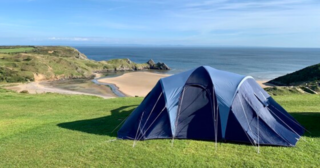
Image: Three Cliffs Bay Holiday Park
Treheli Farm, Porth Neigwl, Llyn Peninsula
Treheli Farm, Porth Neigwl gives you a quieter, more rustic version of coastal Wales, set above Hell's Mouth Bay on the Llyn Peninsula. Pitches here are unallocated grass and bell tents, all looking out over Cardigan Bay, with a small on-site café for drinks and treats. Surfers rate the beach below highly, and the Wales Coastal Path runs straight past the farm for anyone who wants to walk further afield.
Llyn Gwynant Campsite, Snowdonia
Llyn Gwynant Campsite, Snowdonia puts you right at the foot of Snowdon, with several walking routes starting from the site gate. Pitches sit beside the lake itself, so swimming, kayaking and canoeing are all on the doorstep alongside the hiking. A shop, food outlets and a licensed bar mean you do not need to leave the site for much, and dogs are welcome with a designated walking area set aside for them.
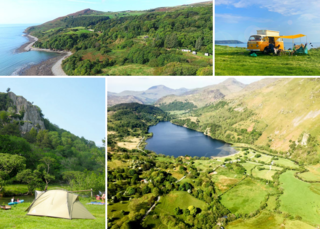
Images: (Top left / right) Treheli Farm Campsite, (Bottom left / right) Llyn Gwynant Campsite
Campsites in Scotland 🏴
Glenbrittle Campsite, Isle of Skye
Glenbrittle Campsite, Isle of Skye sits at the foot of the Black Cuillin mountains, right beside Loch Brittle beach. There is no mobile signal here, which suits the wild, properly remote feel of the place, and pitches are spread naturally across the landscape rather than lined up in rows. The onsite Cuillin Coffee Café is a welcome stop after a day on the hills, though dogs are only allowed in motorhomes and caravans rather than the main camping area.
Rothiemurchus Camp & Caravan Park, Cairngorms
Rothiemurchus Camp and Caravan Park, Cairngorms sits among ancient Caledonian pine trees near Aviemore, giving campers a genuine forest setting with modern facilities close at hand. The park makes a strong base for exploring the Cairngorms National Park on foot or by bike, and heated amenities take the edge off cooler Highland nights. Dogs are allowed in motorhomes and caravans, though not in the main tent pitches.
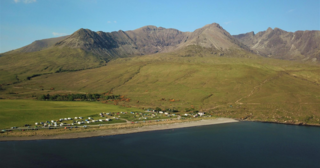
Image: Glenbrittle Campsite
Caolasnacon Caravan and Camping Park, Kinlochleven
Caolasnacon Caravan and Camping Park, Kinlochleven looks out over Loch Leven, with pitches close enough to the water for campfires right on the shore. The site has been family run for decades and makes a peaceful base for exploring Glencoe and the wider Highlands. Hot showers, laundry and washing up facilities are all on site, and dogs are welcome throughout.
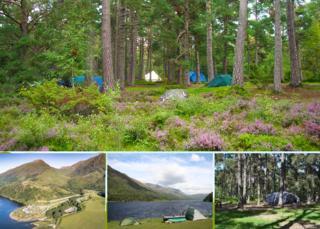
Images: (Top / bottom right) Rothiemurchus Campsite, (Bottom left / middle) Caolasnacon Caravan and Camping Park
Campsites in England 🏴
Beeches Farm Campsite, Wye Valley
Beeches Farm Campsite, Wye Valley gives every pitch its own fire pit and a proper view over the valley below. The site connects directly to Offa's Dyke and the woodland trails that lead down to Tintern Abbey, with the Forest of Dean close enough for a day out hiking or cycling. Dogs are welcome, and the relaxed, informal set-up suits families and small groups looking for a simple, scenic base.
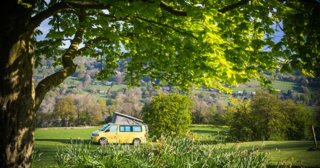
Image: Beeches Farm Campsite
Beacon Cottage Farm, St Agnes, Cornwall
Beacon Cottage Farm, St Agnes, Cornwall sits in an Area of Outstanding Natural Beauty, with landscaped paddocks looking out over the sea. Chapel Porth Beach is a short walk away, and the South West Coast Path runs directly from the site, taking in Atlantic views and the old Wheal Coates tin mine along the way. This is classic Cornish camping, peaceful rather than lively, and dogs are welcome.
Hooks House Farm, Robin Hood’s Bay, Yorkshire
Hooks House Farm, Robin Hood's Bay, Yorkshire sits above the bay itself, with panoramic views over the coastline and the North York Moors. The family-run site is known for spotless facilities and an easy walk down into one of Yorkshire's most photogenic villages. The Cleveland Way passes close by for longer coastal walks, and dogs are welcome throughout.
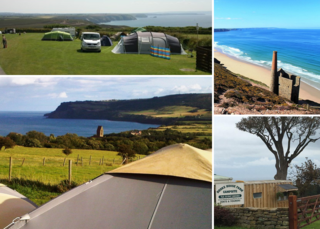
Images: (Top left / right) Beacon Cottage Farm, (Bottom left / right) Hooks House Farm
Castlerigg Farm, Keswick, Lake District
Castlerigg Farm, Keswick, Lake District sits above the town, with views across Derwent Water, Skiddaw and the surrounding fells. Electric pitches, a café bar and level grass camping areas make it an easy base without losing that proper Lake District feel, and the walking trails around Derwent Water start almost from the gate.
Upper Booth Farm, Peak District
Upper Booth Farm, Peak District sits right on the Pennine Way in Edale, surrounded by moorland and within easy reach of Kinder Scout and Mam Tor. Mapped trails suit walkers of every level, and Edale village, with its shops, pubs and cafés, is a short walk from the pitches. This is one for anyone drawn to the Peak District trespass history as much as the scenery itself.
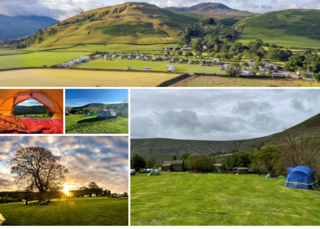
Images: (Top) Castlerigg Campsite, (Bottom right/ middle) Upper Booth Farm, (Bottom / middle left) Beeches Farm Campsite
Campsites in Northern Ireland
Castle Ward, County Down
Castle Ward, County Down, sits within the grounds of an eighteenth-century National Trust estate overlooking Strangford Lough. Campers here get access to landscaped gardens, a historic house, a working corn mill and miles of walking and cycling trails, plus kayaking on the lough itself. Dogs are welcome across the site, and the setting suits families and history lovers just as well as anyone simply after a scenic pitch. Fans of film and television might also recognise the grounds, which have doubled as Winterfell in a well-known fantasy series.
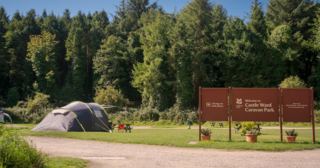
Image: Castle Ward Campsite
What to Pack for a UK Camping Trip
British weather can shift from sunshine to sideways rain within an hour, so packing well makes a real difference to how much you enjoy the trip. Here is a simple checklist to work through before you leave.
- A tent rated for the conditions you expect, with a solid waterproof rating for UK trips
- Extra guy lines and pegs suited to your ground type, since sandy or rocky pitches need different pegs
- A groundsheet or footprint to protect the tent base from damp ground
- A sleeping bag rated for a few degrees below the coldest night you expect
- A sleeping mat with a decent insulation rating, since the ground pulls heat away faster than most people expect
- A pillow or stuff sack filled with spare clothes
- A waterproof jacket and trousers, even on a clear-looking forecast
- Layers you can add or remove, since UK temperatures swing a lot between morning and afternoon
- Spare socks, since wet feet are the fastest way to ruin a trip
- A camping stove with enough fuel for the whole trip, plus a small backup supply
- A headtorch with spare batteries
- A basic first aid kit, midge repellent if heading to Scotland, and a power bank for your phone
Camping Etiquette
Good camping etiquette keeps sites welcoming for everyone and protects the places we all want to keep visiting.
Take all rubbish home with you if the site has no bins, and never leave food waste out overnight, since it attracts wildlife and can cause problems for other campers. Keep noise down after dark, particularly on family sites where children are asleep by early evening. Respect pitch boundaries and ask before walking through someone else's space. If you light a fire, use a raised fire pit rather than lighting directly on grass, and always check the site's rules first, since many ban open fires completely during dry spells.
Leaving a pitch better than you found it is a small habit that makes a big difference across thousands of trips a year.

Britain packs a remarkable range of scenery into a small island, from cliff-top pitches on the Gower to lochside camping beneath the Cuillin. Pick a site that matches how you like to spend your days, from beach walks and mountain routes to simply a quiet field with a good view. Pack for changeable weather rather than the forecast you are hoping for, and follow a few simple etiquette rules to keep sites welcoming for everyone. Get those basics right, and the rest of the trip tends to look after itself.
Ready to plan your own trip? Browse our full range of tents, sleeping bags and camping gear to get properly set up for your next UK adventure.
FAQs
Summer, from June to August, brings the warmest weather and the longest days, but it is also the busiest and most expensive time to book. Spring and autumn are quieter, often just as pleasant, and worth considering if you want a calmer trip.
Most UK campsites welcome dogs, though policies vary a lot from site to site. Some allow dogs everywhere, others restrict them to caravans or motorhomes rather than tent pitches, so it is worth checking a site's specific policy before you book.
Many sites allow fire pits or barbecues, sometimes only with wood bought on site or within designated fire areas. Always check the individual site's rules, since fires are often banned completely during dry spells for safety reasons.
Booking ahead is strongly recommended, especially during school holidays and at well-known sites near beaches or national parks. Smaller, more remote sites in Scotland can sometimes be booked at shorter notice.
Facilities vary a great deal between sites. Most offer toilets, showers and washing up areas, while some also have cafés, shops, fire pits or glamping options for anyone who wants a step up from a standard tent pitch.
In Scotland, wild camping is generally allowed without a permit under the Scottish Outdoor Access Code, provided campers follow responsible guidelines. In England and Wales, wild camping usually needs the landowner's permission, with parts of Dartmoor being the main exception.
Related articles
Let us know you agree to cookies
We use marketing, analytical and functional cookies as well as similar technologies to give you the best experience. Third parties, including social media platforms, often place tracking cookies on our site to show you personalised adverts outside of our website.
We store your cookie preferences for two years and you can edit your preferences via ‘manage cookies’ or through the cookie policy at the bottom of every page. For more information, please see our cookie policy.