
Wild swimming is exactly what it sounds like: getting in the water outdoors, away from pools and lanes, and into rivers, lakes, lochs, seas or ponds. It is part escape, part adventure and part reset button, which is probably why so many people are getting drawn to it. Done properly, it can feel amazing; but the key is to keep it simple, stay aware and build confidence gradually.
Guide To Wild Swimming
Why Wild Swim?
There is something addictive about swimming in open water. The setting is different every time, the water feels alive, and even a short dip can leave you feeling switched on and refreshed. For plenty of people, that is the appeal: it is less about performance and more about the experience itself.
You do not need to be an expert swimmer to start, but you do need to be sensible. Wild swimming is best treated as a skill, not a dare. The more you respect the water, the more enjoyable it becomes.
Start Small
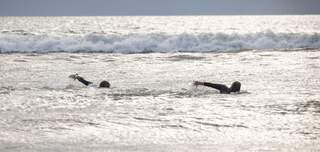
If you are new to wild swimming, do not jump straight into deep, cold water and hope for the best. Start somewhere calm, shallow, and easy to access, ideally with other people around and clear entry and exit points. A gentle first dip in a sheltered spot will do far more for your confidence than trying to prove a point in rough conditions.
It also helps to go with someone experienced the first few times. That way you can pick up the rhythm, understand how the water behaves and get a feel for what your body does in colder conditions. You will learn quickly that wild swimming is less about pushing limits and more about staying relaxed.
Check The Conditions
Before you get in, take a proper look around. Check the weather, water temperature, currents, tides and any local warnings or access rules. Conditions can change fast outdoors, and what looks inviting from the bank can feel very different once you are in it.
In rivers and the sea, current matters. In lakes and reservoirs, depth and temperature can catch people out. Cold water can affect even strong swimmers quickly, so it is worth giving the water your full attention before you enter rather than assuming it will be manageable just because it looks calm.
Get Inspired
For more tips on wild swimming, why not head to the Outdoor Swimming Society, where you'll find loads of advice and inspiration or if you need some motivation to take the plunge, then we recommend you take a listen to the swimout podcast.
What To Wear
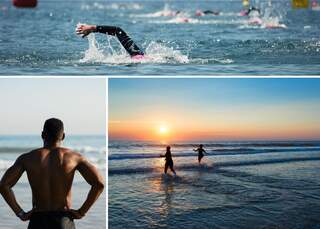
Start with the obvious: something you can actually swim in. A swimsuit or pair of trunks works perfectly for warmer water and shorter dips, while anything with a secure fit will keep you focused on the swim rather than adjusting your kit halfway through.
If the water is cold, a wetsuit makes a huge difference. It adds warmth, helps you stay in longer and takes some of the edge off that first cold-water shock, which is especially useful when you are still building confidence.
Swimming shoes are a smart choice if you are getting in and out over rocky, slippery or uneven ground. They protect your feet from sharp stones and make awkward exits feel much more controlled
A swimming cap helps keep heat in and makes you easier to spot in the water. Bright colours are especially useful, and if the water is cold, a cap is one of the simplest ways to stay a bit more comfortable
Goggles are useful if you want a clearer view under the surface or just prefer not to have water in your eyes. They are not essential for every swim, but they do make the experience feel easier and more relaxed.
You will want something warm and dry waiting for you when you get out. A towel works fine for quick dips, while a changing robe or dry robe gives you more coverage, warmth and privacy when you are changing outdoors.
After your swim, loose warm layers are a must. Think socks, a hat, gloves and something easy to pull on over damp skin, because getting warm again is just as important as the swim itself.zannavandijk+2
Where Can You Wild Swim
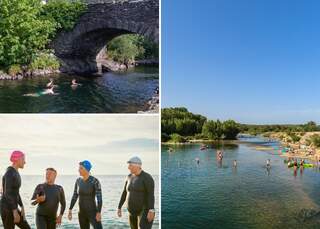
In the UK, most wild swimmers head for a lake, river or the sea, and the best choice usually comes down to what is nearby and what kind of swim you want. Lakes are often calmer, which makes them a good option if you are building confidence in open water, while the sea can feel more buoyant thanks to the salt, making it a great choice if you want a more effortless swim.
There are plenty of well-known wild swimming spots across the UK, and it is worth doing a bit of research before you go. A dedicated wild swimming site can help you find locations and give useful guidance on each spot, and our own Wild Swimming in Lakes and Rivers Guide is a good place to start for UK recommendations.
Above all, safety comes first. If the water does not look safe to enter, or conditions do not feel right, do not get in.
Know The Etiquette
Wild swimming is not just about the swimmer; it is also about the place. Respect other people using the water, keep noise down and avoid trampling bankside vegetation or leaving litter behind. If you are swimming somewhere popular, remember that everyone else is there for the same reason: to enjoy the outdoors without ruining it for the next person.
It is also worth being mindful of wildlife and local access rules. Some spots are shared with anglers, walkers or animals, so a little courtesy goes a long way. Being a good wild swimmer means leaving the place looking untouched.
And Remember....
Even strong swimmers can gasp, panic or lose control of their breathing in cold water, so easing in slowly matters
Your breathing and heart rate can spike at the start, but many swimmers find it settles once they relax and keep their movements calm.
Rivers, lakes and the sea can all look calm from the shore while hiding currents, drop-offs, temperature changes or poor visibility.
Wild swimming is often as much about the reset and the setting as the distance covered.
It can help with visibility and gives a bit more peace of mind in busier or less predictable water.
Dry layers, a towel robe and a hot drink are just as important as what you wear in the water.
Always check access rules, local warnings and water quality before you get in.
Open-water swimming is often linked with better wellbeing, lower stress and a bigger sense of connection with nature.
FAQs
A swimsuit, brightly coloured tow float (for visibility/buoyancy), neoprene gloves/boots (cold water), and a waterproof dry bag are essential. Add a wetsuit for warmth, a safety whistle, and a head torch for low-light conditions. Always carry a first aid kit and secure valuables in a waterproof pouch.
Tow floats enhance visibility to boats and fellow swimmers, provide buoyancy if tired, and store essentials like phones/keys in waterproof compartments. Bright colours (e.g., orange/yellow) ensure you’re easily spotted.
Acclimatise slowly to avoid cold shock: enter gradually, wear neoprene gear, and limit swim time. Dry off immediately afterward, layer warm clothing, and drink hot fluids to prevent afterdrop.
Use a tow float, wear a bright swim cap, and stay within your depth. Avoid weirs, check depth/currents, and swim parallel to shore in windy conditions. Never swim alone.
Opt for flexible neoprene (3-5mm thickness) for mobility and warmth. Ensure snug-but-comfortable fit to minimize water ingress. Pair with neoprene gloves/boots in temperatures below 15°C.
Fast currents, submerged debris, and sudden depth changes pose dangers. Avoid rivers after heavy rain, check flow speed (throw a leaf to test), and exit immediately if swept.
A buddy can assist if you cramp, get cold, or encounter hazards. If swimming solo, share your route and return time with someone.
Avoid plunging in: wade slowly, letting your body adjust. Breathe deeply to manage cold shock. Keep hands out initially-they’re most sensitive to temperature.
Rinse wetsuits/gloves in fresh water, dry thoroughly, and store flat. Keep electronics in waterproof bags and replace safety light batteries regularly.
Choose a waterproof, compartmentalised bag (e.g., roll-top) with a rugged base for wet/rough surfaces. Attach a carabiner for tow float compatibility.
Related articles

Let us know you agree to cookies
We use marketing, analytical and functional cookies as well as similar technologies to give you the best experience. Third parties, including social media platforms, often place tracking cookies on our site to show you personalised adverts outside of our website.
We store your cookie preferences for two years and you can edit your preferences via ‘manage cookies’ or through the cookie policy at the bottom of every page. For more information, please see our cookie policy.