Read: Waterproof Buying Guide / Waterproof Care Guide
A good choice starts with effort level and pack weight. A lightweight, packable mens raincoat or 2.5-layer shell suits day trips, travel days, and those “just in case” showers, because the jacket disappears into your pack until you need it. If you are out often, wearing a rucksack, or walking in heavier weather, a tougher 3-layer hiking hardshell usually makes more sense, because the fabric build tends to cope better with regular abrasion and long days.
The best men’s waterproof jackets get the basics right, and that starts with the fabric build. Three-layer shells bond a tough outer face fabric to a waterproof, breathable membrane, often GORE-TEX, plus an inner layer that protects the membrane from wear. Add fully taped seams and a healthy water-repellent finish, and rain is far less likely to creep in through stitching or soak the surface and leave the jacket feeling clammy. If you are buying for proper wet-weather walking, look beyond “waterproof” on the label and check both waterproof rating and breathability (MVTR), because staying dry inside matters as much as staying dry outside.
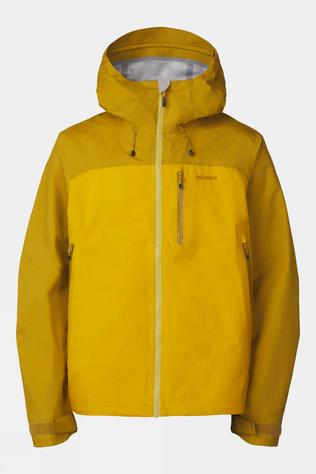
After that, the smart details make the difference on real days out. A hood that adjusts properly and a shaped peak help you keep vision in driving rain, and pit zips give you a quick heat dump when a climb turns your shell into a sauna. Articulated sleeves help you move naturally with poles or when scrambling, and tougher panels in high-wear spots hold up better under rucksack straps. Some mens waterproof jackets also include RECCO reflector technology, which adds an extra layer of reassurance for certain mountain days by supporting professional search efforts. If your days are faster and lighter, a more packable lightweight waterproof jacket can still do the job, as long as the hood, seams, and breathability are not an afterthought.
Waterproof performance also depends on care. A shell can feel wet inside when the face fabric “wets out,” so regular cleaning and reproofing help water bead on the surface and support breathability. Shop men's waterproof jackets now and get a shell that feels ready the moment the forecast shifts
Yes, a properly built men’s waterproof jacket can keep rain out in sustained downpours, especially when seams are taped, and the jacket is worn and cared for correctly.
Water-resistant fabrics handle light showers for a while, but a true waterproof jacket is built to stop water pushing through the fabric and seams for much longer.
Consider factors like waterproof rating, breathability, fit, weight, and intended use. For high-intensity activities, lightweight and breathable options are ideal
Hydrostatic head is a lab test measured in millimetres that shows how much water pressure a fabric can take before it leaks.
Higher HH ratings generally mean more protection in heavier rain, and many brands use figures like 20,000mm for more serious, all-day wet weather use.
MVTR measures how much moisture vapour can pass through a fabric in grams per square metre per day, which links to how well a jacket can manage sweat during movement.
The Arc'teryx Men's Beta Jacket is highly recommended for its lightweight design, durability, and breathability, while the Patagonia Men's Torrentshell offers excellent value for money with robust waterproofing
The “layers” describe how the outer fabric, waterproof membrane and inner protection are put together, with 2.5-layer often prioritising packability and 3-layer often prioritising durability for frequent use.
Yes, many mens waterproof jackets work as an everyday raincoat, especially if you want wind protection and a hood that stays put on commutes and school runs.
Many waterproof shells also block wind effectively, which helps reduce chill and heat loss in exposed conditions.
Fully taped seams means seam tape covers the stitching on the inside to help stop water pushing through needle holes.
We use marketing, analytical and functional cookies as well as similar technologies to give you the best experience. Third parties, including social media platforms, often place tracking cookies on our site to show you personalised adverts outside of our website.
We store your cookie preferences for two years and you can edit your preferences via ‘manage cookies’ or through the cookie policy at the bottom of every page. For more information, please see our cookie policy.