
Everyone owns a fleece. Almost nobody knows what makes one actually good. Here's what it's made from, the styles worth knowing, and how to pick one that suits how you'll actually wear it.
Fleece Buying Guide
What Actually Is Fleece?
Fleece fabric was invented in 1979 by Malden Mills, now known as Polartec, as a lighter stand-in for wool, and it replaced wool jumpers in most hikers' bags within about a decade. The idea behind it hasn't changed since: a knitted polyester fabric that traps air between its fibres and holds heat in without adding much weight, so air pockets do the work rather than thick material.
That basic idea covers a lot of ground, though. Polar fleece, micro fleece, tech fleece and sherpa fleece all trap air the same way, but each one is built differently, and that changes what it's actually good for.

Types of Fleece Explained
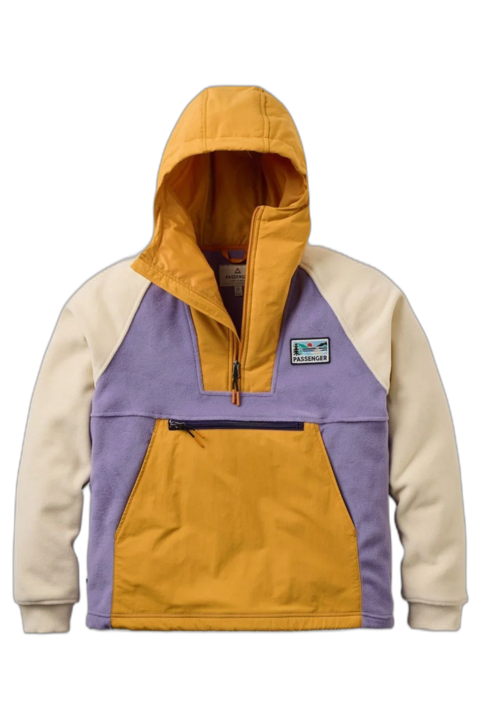
Polar Fleece
The original fleece fabric, and still the most common. A mid-weight knit, usually 200 to 300 GSM, brushed soft on both sides. Warm for the weight, dries fast, works for hiking, everyday wear and layering under a shell. If a label just says "fleece," it's usually this.
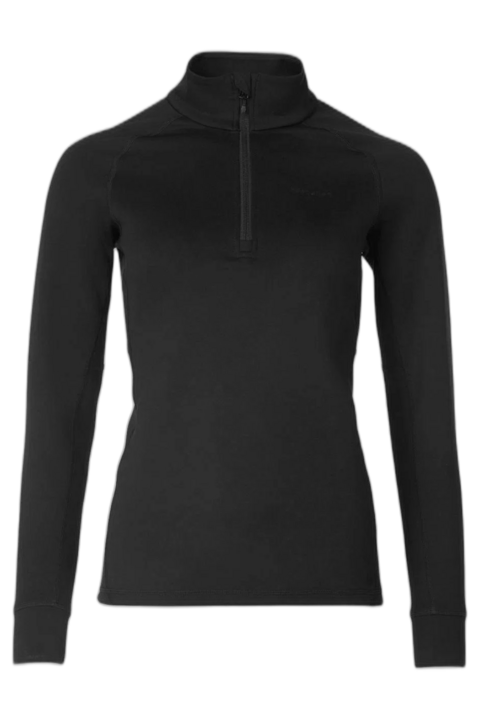
Tech Fleece
A denser, tighter outer face paired with a soft brushed inside. The outside shrugs off light wind and drizzle; the inside still feels soft. Some ranges add wind-resistant panels across the chest and shoulders, exactly where a breeze hits hardest. It costs more than polar fleece, but you earn it back on exposed, changeable days.
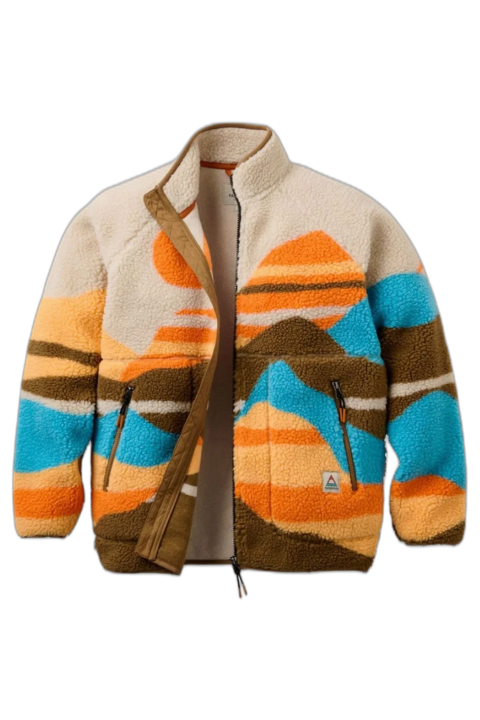
Sherpa Fleece
A looped, fluffy pile that copies shearling rather than a flat knit. Usually 300 GSM or more, the heaviest on this list. Runs warmer than standard fleece and looks more like a jumper than a technical layer. Bulkier to pack, but that's exactly why it works so well as everyday outerwear.
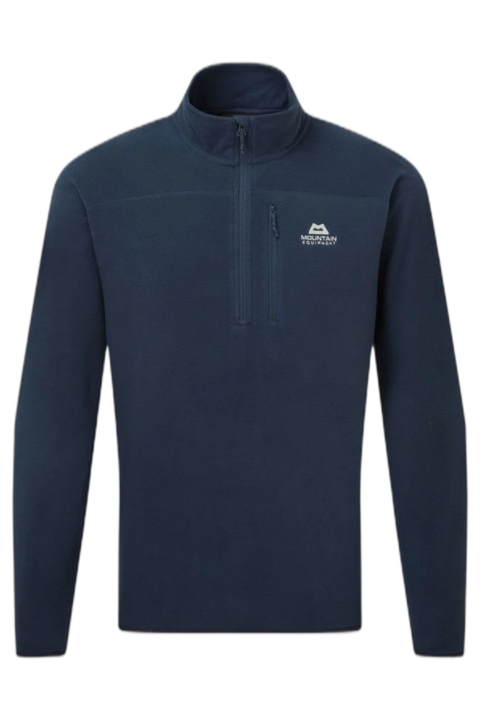
Micro Fleece
Finer fibres, tighter knit, smoother finish, closer to suede than fluff. Usually under 200 GSM. Packs down small and stays light, so it's the pick for base layers and travel. Less heat for its weight than a thicker fleece, but it won't bulk out under a jacket either.
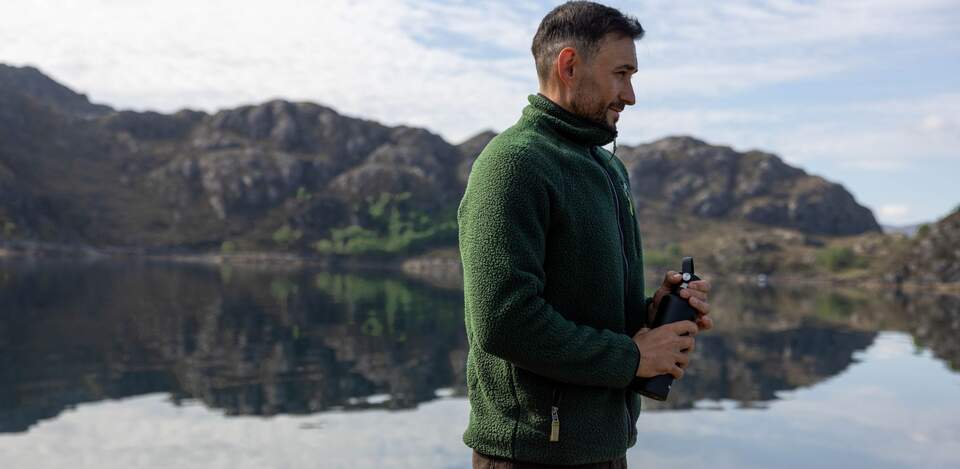
What The Weight Numbers Mean
Fleece fabric carries a weight rating in grams per square metre, shortened to GSM. A higher number means more trapped air, so more heat retention and a bit more bulk.
- Lightweight fleece (less than 200 GSM): suits base layers, warmer months and fast-moving days on the hill.
- Midweight fleece (200 to 300 GSM): the most common weight on shop floors, a fair balance for hiking, everyday wear and layering under a shell.
- Heavyweight fleece (300 GSM and above): includes most sherpa styles and thick polar fleece, suited to standing around outdoors or wearing on its own on a proper cold day.
Checking the GSM figure on a label takes seconds and saves guessing between two jumpers that look nearly identical but perform very differently. Browse our full range of fleeces here.
Picking The Right Fleece for What You're Doing
It comes down to three questions: what you'll use it for, what you'll wear it with, and how much room you've got to pack or store it.
Go for a lightweight fleece or micro fleece that packs down small. Look for wind-resistant panels across the chest on a tech fleece. Keep the fit close enough for a shell to go over the top.
A ski fleece with a higher collar and thumb loops covers the wrists and neck. A hooded fleece jacket adds cover under a helmet-compatible hood. Sherpa fleece or a heavier polar fleece suits the standing-around part.
A longline fleece or coatigan doubles as outerwear on a mild day. A quarter-zip jumper cuts down on how many layers need to be packed. A gilet adds heat retention without bulk under a coat.

Fleece Styles, Sorted Out
The fabric is one choice. Shape and closure is the next.
- Full zip fleece opens all the way down the front. Quick on, quick off, easy to vent on a climb.
- Half zip or quarter zip fleece only opens partway, like a jumper with a short zip at the neck. Less bulk, snugger collar.
- Hooded fleece jacket adds cover for windy days. Works as a stop gap layer when a full waterproof shell feels like overkill.
- Fleece gilet or vest drops the sleeves. Keeps the core warm, leaves arms free for cycling or carrying shopping.
- Fleece cardigan or coatigan sits closer to knitwear, open at the front with buttons or an undone zip.
- Plain fleece pullover or jumper has no zip at all. Usually the simplest, lightest option of the lot.
Our Women's Styles


.png/jcr:content/renditions/cq5dam.web.480.480.png?v=1789030310410&imgeng=/w_480)


Our Men's Styles


Keeping a Fleece Going for Years
Fleece holds up well over years of washing, with a little care.
- Wash on a cool cycle. Skip fabric softener, since it coats the fibres and stops fleece from trapping air properly.
- Turn zip-up jackets inside out before washing to protect zips and printed logos.
- Air dry where possible. Tumble drying on low heat is usually fine for polar fleece, but check the label first.
- Run a fabric shaver over any bobbling every few months to keep the texture going strong.
The Layering System
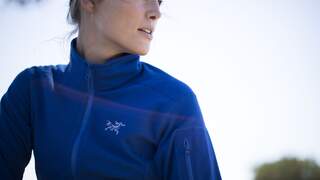
A fleece rarely works alone. It's one part of a bigger system built from a base layer, a mid layer and an outer shell, each doing its own job.
A base layer sits against the skin and moves sweat away from the body. The fleece comes next, trapping heat while still letting that moisture escape. An outer shell, usually waterproof or wind-resistant, goes over the top and takes the brunt of rain and wind. With all three working together, it's much easier to stay warm without overheating, or to strip a layer back the second the sun comes out.
For a full breakdown of how to build a layering system for hiking, skiing or everyday cold weather, read our Layering System Guide.

Fleece traps heat without piling on weight. A full zip, a gilet, a hooded jacket or a quarter zip jumper all do that same job dressed up differently. Pick the shape that matches how it'll get worn, check the fit works under a shell if layering is the plan, and wash it cool to keep it going for years.
Browse the full range of fleece jackets and jumpers at Cotswold Outdoor to find the right one for the next walk, ski trip or cold morning outside.
FAQs
Heavier polar fleece and sherpa fleece styles win here, thanks to a thicker pile that traps more air. Check the GSM figure on the label for a fair comparison between jackets.
Lightweight fleeces (e.g., Polartec® Micro) suit active pursuits like hiking, offering breathability and packability. Midweight fleeces balance warmth and mobility, while heavyweights excel in extreme cold or low activity.
Standard fleeces aren’t waterproof but resist light moisture. Waterproof fleeces (e.g., with membranes) block rain while retaining breathability, ideal for variable weather. Pair with a shell layer in heavy downpours.
Lightweight fleeces work as outer layers in dry, mild conditions. For rain/wind, opt for waterproof fleeces or layer under a shell. Thicker fleeces may limit mobility if worn over bulky base layers.
Related articles

Let us know you agree to cookies
We use marketing, analytical and functional cookies as well as similar technologies to give you the best experience. Third parties, including social media platforms, often place tracking cookies on our site to show you personalised adverts outside of our website.
We store your cookie preferences for two years and you can edit your preferences via ‘manage cookies’ or through the cookie policy at the bottom of every page. For more information, please see our cookie policy.