
All Mighty Guarantee
Osprey is a specialist pack brand known for dialled-in fit, thoughtful organisation, and a long-term commitment to sustainable, repairable gear – making it a strong choice for hikers, travellers, and everyday commuters. With five decades of experience behind every stitch, these packs are built to feel like a natural extension of your body, so you can forget about your gear and focus on the trail under your feet, the ridge ahead, or the new city waiting just beyond the terminal doors.
From Single Stitch to Summit
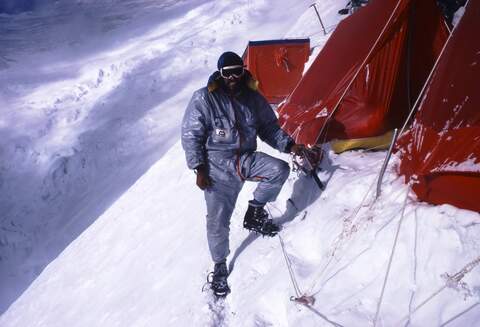
Osprey was founded in 1974 by designer Mike Pfotenhauer in Santa Cruz, California, as a small workshop that built custom-fitted packs for local backpackers. As demand grew, the business relocated to Colorado in the 1990s, first to Dolores and then to Cortez, where it established a global reputation for technical backpacks spanning hiking, mountaineering, skiing, biking, and travel. A standout chapter arrived in 1999, when the Aether 60 pack made the cover of Time magazine, strapped to blind climber Erik Weihenmayer during his historic Everest summit, solidifying Osprey’s status as expedition-grade gear. In 2021, Osprey joined the Helen of Troy family, adding extra scale to the brand while maintaining its design headquarters in Cortez and its production and development hub in Vietnam.


Built to Carry Better
Osprey stands out for its commitment to repair, innovation, and social responsibility. Their All Mighty Guarantee keeps gear in use and out of landfill by offering expert repairs for any manufacturing defects throughout a pack’s practical lifetime. Osprey’s sustainability efforts extend to pioneering circular designs—like the new ReComp™ fabric, which transforms factory scraps into high-quality, recycled polyester used across the Arcane Earth collection. Recent product lines also use 85% recycled foam, bluesign®-certified labels, and resource-saving dyeing techniques, all designed to lower environmental impact.
The brand’s depth goes beyond materials. Osprey’s teams in Vietnam oversee not just manufacturing, but also fair working conditions and design innovation, reflecting a genuine investment in people. For fit, Osprey remains a standard-setter—offering packs with precise torso sizing (recommendation is to measure torso length from the C7 vertebra to the iliac crest), gender-specific harnesses, and ergonomic frames that keep heavy loads supported and close to your body on long days out. Their top-end designs lead the field in technical fabrics and construction, from abrasion-resistant, ultra-high molecular weight polyethene grids to thermoformed back panels and 3D-printed lumbar zones for adaptive comfort and airflow.
Packs Tested on Real Adventures
Osprey’s packs are not just designed in the lab; they’re proven by a global community of athletes, guides and storytellers who put them through real-world abuse every season. The brand’s ambassador roster includes elite trail and ultra runners, professional climbers, mountain instructors and adventure creatives who feed back on fit, durability and features to shape future designs.
In recent years, Osprey has expanded its run category with a strengthened athlete team, adding high-profile runners such as Mike McMonagle, Katie Asmuth and world-class mountain runner Grayson Murphy to help refine running vests and fast-and-light packs. Long-time climbing partners like Neil Gresham have relied on Osprey packs for committing to Alpine routes on peaks including the Eiger and Grandes Jorasses, underlining the brand’s credibility among serious mountain users.


50 Years of Osprey Backpacks
1974 – Santa Cruz beginnings: Mike Pfotenhauer starts “Santa Cruz Recreational Packs,” hand-making custom packs for individual customers in California.
1990s – Colorado era: The company moves to Dolores in 1990 and then shifts production and eventually all operations to Cortez by the late 1990s, with a workforce that was at one stage 90% Navajo.
1999 – Aether on Everest: The Osprey Aether 60 appears on the cover of Time magazine on Erik Weihenmayer’s Everest ascent, raising global visibility.
2000–2003 – Offshore production: Osprey begins moving manufacturing to Korea and Vietnam, with the Pfotenhauer family relocating to Ho Chi Minh City to oversee production and build a dedicated product-development office.
2017 – New headquarters: Osprey completes a purpose-built world headquarters in Cortez, Colorado, anchoring its design and business operations.
2021 – Acquisition: Helen of Troy acquires Osprey Packs, integrating the brand into a larger outdoor portfolio while retaining its specialist focus on packs.
2020s – Sustainability and UNLTD: Osprey ramps up recycled and bluesign-approved materials, phases out PFCs/PFAS, launches advanced UNLTD packs with 3D-printed lumbar support, and debuts ReComp™ circular fabrics for future collections.


Explore the Osprey Backpacks Range
Osprey Talon: Fast-and-Light Versatility
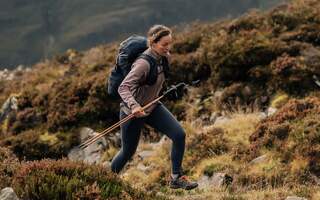
The Talon series is Osprey’s iconic men’s/uni daypack and hiking collection, built for fast-and-light missions from ridge runs to scrambling days. Typical models available through retailers include Talon 11, Talon 22, Talon 26 and Talon 33/36/44, offering capacities from short outings to minimalist overnights. These bags are perfect for energetic hillwalks, scrambling routes, bikepacking, and hikers who want one do‑it‑all pack for long days moving quickly over varied terrain.
Lightweight, close-to-body fit with an AirScape™ backpanel and hipbelt that hug the torso for stability on uneven ground.
Trail-friendly details like trekking pole attachments, stretch hipbelt pockets for snacks or GPS, and hydration bladder compatibility.

Osprey Fairview: Women’s Travel and Backpacking
Fairview is the women’s-specific travel pack family, blending suitcase-style access with backpack carry comfort for global trips. Popular models include Osprey Fairview 40 (carry-on friendly), plus larger Osprey 55–70 litre versions that often feature removable daypacks. They are perfect for gap years, backpacking trips, city-hopping and rail adventures where you want the organisation of a suitcase but the mobility of a trekking pack.
Women’s-tailored harness and hipbelt for better comfort under heavier travel loads, with stow-away straps for neat airport handling.
Clamshell opening, internal compression, and multiple grab handles make packing, organising, and overhead locker use much easier.
Osprey Farpoint: Unisex Adventure Travel
Farpoint is the unisex/men’s counterpart to Fairview, a rugged travel pack line designed for travellers who move constantly between airports, hostels, and off-grid stops. Typical sizes include Osprey Farpoint 40 (carry-on), plus larger Osprey Farpoint 55–70 litre options with detachable daypacks on many versions. They are ideal for long-term travel, multi-stop itineraries, working holidays and anyone asking “backpack or suitcase?”—Farpoint neatly delivers both in one system.
Comfortable, load-bearing harness and hipbelt that can be zipped away for flights and transit.
Panel-opening design, lockable zips, internal compression, and multiple pockets to keep kit organised on the move.
Osprey Exos: Ultralight Backpacking
Exos is Osprey’s men’s-focused ultralight backpacking line, stripping weight without sacrificing key comfort elements. Typically offered in Exos 38, 48 and 58 litre capacities, providing options from fast-and-light overnighters to thru-hiking setups. They are ideal for weight-conscious backpackers, long-distance walkers, and through-hikers who count every gram but still want a supportive framed pack.
AirSpeed™ trampoline-style backpanel for airflow and comfort while keeping total pack weight impressively low.
Minimalist yet functional design with removable lid options, streamlined pockets and lightweight materials.
Osprey Daylite: Everyday and Travel Companion
Daylite and Daylite Plus are compact, versatile daypacks that work solo or attach to larger Osprey travel and trekking packs. Common variants include Daylite and Daylite Plus, with low-to-mid‑teens litre capacities for everyday essentials. Great as a travel day bag, sightseeing pack, light hiking companion, or everyday carry for work, gym, and errands.
Lightweight, streamlined builds with simple organisation, hydration sleeve and stretch pockets that make them easy grab-and-go options.
Compatibility loops that allow some Daylite models to clip onto bigger Osprey packs as removable daypacks for side trips.
Osprey Rook: Value Trekking Rucksacks
Rook is a men’s trekking and backpacking collection offering big-pack comfort and capacity with a more accessible price tag. Commonly seen as Rook 50 and Rook 65 litre packs, sized for multi-day trips and longer backpacking journeys. These bags are best suited to Duke of Edinburgh expeditions, weekend wild camps, and budget-conscious backpackers needing a capable trekking rucksack for UK and Alpine routes.
Adjustable back length with ventilated backpanel and supportive hipbelt to handle multi-day loads without overcomplication.
Simple pocket layout, sleeping bag compartment, and raincover on many models for reliable, no-fuss performance.
Osprey Astronova: Sleek Campus and Everyday Pack
Astronova sits in Osprey’s Campus collection—a lifestyle daypack designed for students and everyday commuters who still want outdoor-grade comfort. Astronova is currently offered as a streamlined single main model (around 23L), available in multiple colours for campus and city life. Perfect for university, commuting, coworking spaces, and city exploring—especially for those who want a smart, modern pack with outdoor-level comfort.
23L daypack with AirScape™ ventilated backpanel, comfortable harness, and 100% recycled main body fabric for durability and sustainability.
Laptop sleeve (fits most 16"), dual water bottle pockets, internal organiser panel, key clip, bike-light attachment and front webbing loops.
Osprey Hikelite: Simple, Airy Day Hiking Packs
Hikelite is a unisex day hiking series that bridges everyday packs and technical rucksacks, keeping things clean, simple, and comfortable. Core models in the range are: Osprey Hikelite 18, 26, 28 and 32 litres, covering everything from short afternoon strolls to full kit for changeable mountain days. These bags are ideal for beginners and seasoned hikers wanting a fuss-free, great-value daypack for UK trails, national park routes, and light all-weather hiking.
AirSpeed™ suspended mesh backpanel for excellent ventilation and comfort, reducing the dreaded sweaty back on warmer walks.
Straightforward panel or top-loading designs with integrated raincover, side stretch pockets, and a front shove-it pocket on larger sizes.


Osprey Tempest: Women’s Specific Agility
Tempest mirrors Talon but with a women’s-specific fit—shorter back length, contoured shoulder straps, and shaped hipbelt for better comfort and load transfer. Common capacities include Tempest 20, 22 and 30–34 litres, giving options for fast day hikes, scrambling, and lightweight overnighters. Those bags are best for active women tackling day hikes, ridge lines, bikepacking, and multi-sport adventures where stability and low weight matter.
Women’s-specific AirScape™ backpanel and harness that move with the body on technical ground.
Multiple pockets, pole attachments and hydration compatibility for neatly organising essentials without slowing you down.

Osprey Transporter: Tough Duffels
Transporter is Osprey’s rugged duffel and holdall line, built to shrug off rough baggage handlers, wet pickup beds, and dusty expeditions. Examples at Cotswold Outdoor include Transporter 40, 65 and 95 duffels, giving options from carry-on-sized haulers to big expedition bags. Ideal for adventure travel, kit-heavy sports trips, vehicle-based expeditions, and anyone needing a bombproof duffel for gear-intensive missions.
Hardwearing, water-resistant fabrics with tough coatings, big grab handles and backpack-style straps for versatile carry.
Wide, lockable openings and internal organisation to keep gear secure, from ski boots to expedition duffels.
Osprey Drysacks: Waterproof Organisation
Osprey Drysacks are lightweight waterproof stuff sacks designed to keep clothing and gear dry inside your rucksack or duffel. Available in several litre sizes (for example, 3L–30L-class), plus variants like ultralight or pack-specific versions, depending on retailer stock.These bags are perfect for hiking, canoeing, bikepacking, and travel—any scenario where you want to protect spare layers, electronics, or sleeping gear from rain and splashes inside your main bag.
Roll-top closures and coated, seam-taped fabrics provide reliable water resistance for internal pack organisation.
Multiple colours and sizes help segment and identify kit quickly—handy in hostels, tents, and hut dorms.


Inside the Pack: Osprey’s Game‑Changing Innovations
Across the hiking and travel range, Osprey bags integrate several signature technologies that outdoor enthusiasts will recognise:
AntiGravity and AirScape back panels blend ventilated mesh, sculpted foam and structured frames to provide both load transfer and cooling, especially in large trekking packs.
LightWire frames, True Fit sizing and AutoLift adjustment systems help keep heavy loads close to the body, improving stability on steep terrain and during technical approaches.
Introduced in recent collections, ReComp repurposes manufacturing scraps into new main-body fabric (around 70% post-consumer and 30% pre-consumer recycled polyester), showcasing Osprey’s push beyond “just” recycled yarns.
These technologies sit alongside more familiar features such as integrated raincovers on select models, removable lids that convert into mini daypacks, and clever pocketing for hydration, trekking poles and valuables.
Celebrating 50 Years and Looking Ahead
To mark its 50th anniversary, Osprey launched special initiatives such as the “Legendary Pack” and EPIC competitions, inviting customers to share stories of their most memorable Osprey packs and giving away major adventure travel prizes to celebrate five decades of exploration. These campaigns showcase how deeply woven Osprey packs are into people’s lives, from first backpacking trips to big expeditions, and reinforce the brand’s “packs for life” message.
Osprey also backs social and environmental causes that reflect its community values, including supporting the Pink Summits Scholarship, which funds LGBTQ+ mountaineers to join major expeditions and increase representation in adventure sports. Alongside donations, partnerships and ambassador-led storytelling, these programmes show that Osprey’s commitment goes beyond product to the wider culture and accessibility of the outdoors.

FAQs
Yes, Osprey backpacks are known for durable materials, supportive harness systems, and long warranties, making them a strong choice for trekking, travel, and daily use. The brand’s focus on fit and repairability means many packs comfortably last for years of regular adventures.
Osprey rucksacks are designed specifically around back length, load transfer, and ventilation rather than just storage volume. Compared with generic packs, they usually offer better hip support, gender-specific fits, and technical features like hydration sleeves and trekking pole attachments.
Most Osprey packs are made with water-resistant fabrics and coatings, but are not fully waterproof, which is why many models either include a raincover or are designed to be paired with raincovers and drysacks for heavy rain conditions
If you’re looking for an Osprey hiking backpack or trekking backpack Osprey, models like Atmos AG, Exos and Rook offer framed support for multi-day loads. For lighter days on the trail, smaller options such as Talon, Tempest, or Hikelite work well as an Osprey hike pack or Osprey hiking bag.
Yes, several lines include a 40L backpack, such as Farpoint/Fairview and some trekking series, giving enough space for minimalist trips. An Osprey 40L backpack is a versatile size for weekends away, hut-to-hut routes, or cabin baggage on many airlines.
Farpoint is the unisex/men’s travel line, while Fairview uses a women’s-specific back system with a shorter adjustable torso length and shaped harness, giving a better fit for many women with similar internal layouts and features.
The Osprey Farpoint 40 backpack is deliberately sized to meet most airline cabin limits. Many travellers choose it as their main Osprey travel bag, but it’s still worth checking your specific airline’s size rules before flying.
The Osprey Farpoint 55, Osprey Farpoint 55L travel pack, and Osprey Farpoint 70 give you more capacity and often include a removable daypack. If you’re planning Farpoint 70 packing for longer or gear-heavy trips, the extra litres make it easier to separate clothing, footwear, and daily essentials.
The Osprey Fairview 55 and Osprey Fairview 70 are women’s-specific travel packs with larger capacities than the compact Osprey Fairview 40, making them better for extended itineraries. If you see references like Osprey 55 Fairview, it usually points to the same 55L women’s model.
Yes, some technical lines offer a 33 backpack, such as Talon or similar models in the men’s/unisex fast-and-light category. An Osprey 33 backpack hits a sweet spot for long, gear-heavy day routes or single-night bivvy missions.
The Osprey Exos 48 and Osprey Exos 48 pack are ultralight framed packs designed for backpackers who want to cut weight without moving to a frameless bag. The Osprey Exos 58 adds extra capacity for thru-hikes or longer unsupported trips while retaining the same lightweight suspension.
If you need a 70L backpack, Osprey’s larger trekking and travel packs provide room for winter gear or long trips. An Osprey 70L backpack will usually have a robust frame, hipbelt pockets, and multiple access points to help manage bulky loads.
The Osprey Talon 33 rucksack and Osprey Talon 33 backpack offer more volume than the 22L model, making them more suited to all-day or overnight outings. If you see mentions of Osprey 22, Osprey Talon 26, or Osprey Talon 44, these are just other capacities in the same fast-and-light family.
The Osprey Hikelite 18, Osprey Hikelite 28, and Osprey Hikelite 32 are clean, ventilated day-hiking packs with integrated raincovers and mesh back systems. They’re often chosen as a simple Osprey hike bag or entry-level Osprey rucksack 40-litre alternative for shorter treks.
Related articles
Let us know you agree to cookies
We use marketing, analytical and functional cookies as well as similar technologies to give you the best experience. Third parties, including social media platforms, often place tracking cookies on our site to show you personalised adverts outside of our website.
We store your cookie preferences for two years and you can edit your preferences via ‘manage cookies’ or through the cookie policy at the bottom of every page. For more information, please see our cookie policy.