Fleece Buying Guide Header

Polartec Explained

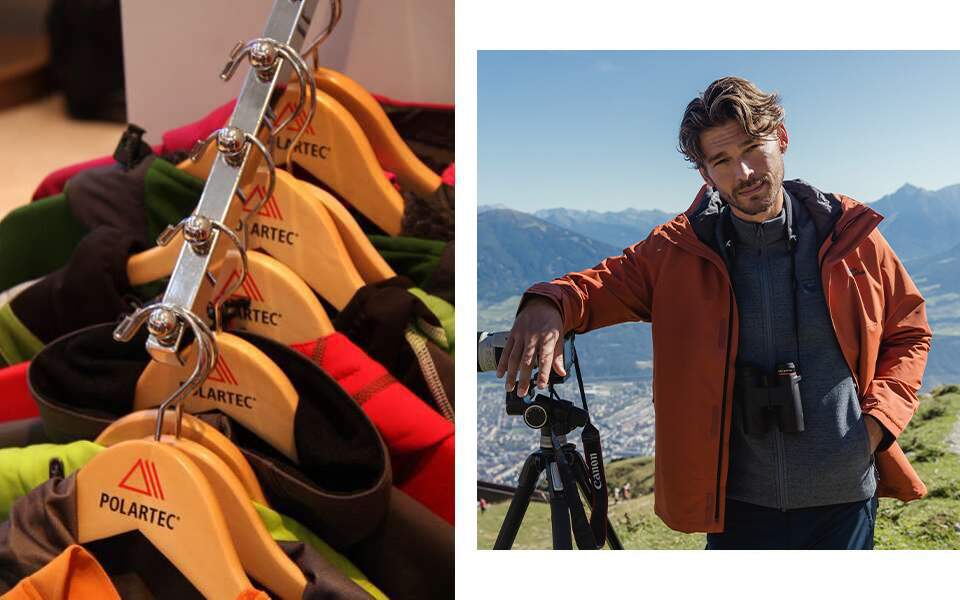
Pull any fleece off a shop rail, and there's a good chance the label says Polartec® somewhere on it, the company that invented the stuff back in the 1980s and never stopped improving it. Fleece is what put Polartec® on the map, but it's just the most famous part of a catalogue that now runs past 400 different fabrics.

This guide covers what Polartec fleece actually is, how it differs from regular polar fleece, and how to pick the right jacket or mid-layer for what you're doing outside.

What Is Polartec?

Polartec is both a fabric and the company that makes it. The fabric itself is a polyester pile: fibres get brushed up so they stand on end, trapping air close to your body. That trapped air is the whole trick: fleece works the same way a duvet does. It's not the material that keeps you warm, rather than the air sitting inside it.

Polar fleece and Polartec tend to be used interchangeably. Polar fleece is the general term for this style of fabric. Polartec® is the specific brand, made to set standards and often built with extras like wind resistance or stretch. Every Polartec is a polar fleece. Not every polar fleece is a Polartec.

How Polartec Fleece Fabric Is Actually Made

Polartec fleece fabric starts life as polyester yarn, knitted into a base cloth. That cloth then goes through a process called napping, where fine wire brushes comb the surface of the fabric, pulling up thousands of tiny fibre loops and breaking them open into soft, upright fibres. That brushed layer is what gives fleece its soft feel and its ability to trap air.

Different Polartec fleece fabrics use different fibre weights, knit patterns, and finishing steps to hit different goals: some are built to be as light as possible, some to block wind, some to stretch with you on a climb, some to dry fast after a downpour.

A few things every Polartec fleece has in common, regardless of type:

  • It dries far faster than wool or cotton after getting wet.
  • It keeps a decent amount of heat even when damp, unlike cotton, which goes cold fast when soaked.
  • It weighs much less than a wool jumper offering the same heat retention.
  • It resists mould and moths better than natural fibres.

The Main Polartec Fabric Families

Polartec covers a lot more ground than fleece alone. Knowing the rough categories makes shopping far easier, since a jacket or jumper might use any one of these depending on the job it's built for.

Classic fleece is the one most people picture: soft, light, breathable, good for mid layers under a shell or as a stand alone top on cool days. It's not wind resistant on its own, air passes straight through it, which is great for breathing hard on a hill and less great in a gale.

Wind resistant fleece (marketed under names like Windbloc or Wind Pro over the years) adds a thin membrane or tighter knit that blocks wind while still letting some moisture escape. Good for exposed ridgelines, bike commutes, or anywhere the breeze cuts through a normal fleece.

Stretch fabric (Power Stretch and similar lines) blends in a small amount of elastane so the fabric moves with you. Popular for climbing, running, and any activity where a stiff fleece would hold you back.

High loft fleece (including Thermal Pro) is thicker and fluffier, built for standing around in cold conditions rather than moving fast, think belay jackets, dog walks, or a jacket for the school run.

Active insulation (Alpha) isn't a fleece at all. It's a lofted fibre fill, often sandwiched inside a jacket lining, built to keep heat in during high output activity without the bulk of a down jacket. It breathes better than most insulation, which matters if you overheat easily on the move.

Shell fabrics (Power Shield, NeoShell, and similar lines) sit at the outer layer of an outfit, cutting wind and shedding rain while letting body heat escape. These are the fabrics you'll find in soft shell jackets rather than fleece tops.

Base layer fabric (Power Dry, Power Grid) sits against skin, pulling sweat away from the body so it can evaporate rather than sitting damp against you. Grid patterns add small air channels for extra breathing space.

Recycled fleece uses fibre made from plastic bottles and other recycled polyester. Performance is much the same as standard fleece, the fibre source is just different, and this recycled approach now runs across most of Polartec's other fabric families too, not only fleece.


Where You'll Actually See Polartec Fleece

Once you know the name, you start spotting it everywhere. Most big outdoor brands use Polartec® somewhere in their range rather than making their own fleece fabric from scratch, That's why the same roll of Polartec can turn up under several different labels, each cut and finished in its own house style.

Beyond hiking and climbing gear, Polartec® fleece fabric shows up in a lot of places people don't expect: ski base layers, dog coats, workwear for outdoor trades, hospital blankets, even some car interiors. The same properties that make it good on a mountain lightweight, quick-drying, decent heat retention, make it useful anywhere people need a soft fabric that copes with damp conditions.


How Is Polartec Better?

  1. Consistency. Polartec® runs strict testing on every batch, so a Polartec fleece bought this year performs nearly identically to one bought five years ago. Cheaper polar fleece fabric can vary a lot between suppliers.
  2. Finish quality. Better napping and knitting means less pilling over time and a softer feel against skin.
  3. Specialist versions. The stretch, wind resistant, and high loft lines above simply don't exist in most generic fleece ranges.
  4. Testing for real conditions. Polartec® fabrics get tested for things like wind resistance ratings and moisture management, giving you numbers to compare rather than guesswork.

Caring For Polartec Fabric

Fleece is low maintenance compared to wool, but a few habits keep it performing for years:

  • Wash on a cool cycle, 30 degrees or below, to protect the fibres.
  • Skip fabric softener. It coats the fibres and reduces how well fleece traps air, which lowers heat retention over time.
  • Turn wind resistant or membrane fleeces inside out before washing to protect the coating.
  • Air dry where possible. Tumble drying on low is usually fine, but high heat can flatten the pile and cause more pilling.
  • Pull off any bobbles with a fabric shaver rather than picking at them, which can pull threads loose.

Polartec® is the company behind synthetic fleece, and fleece is still what most people picture when they hear the name. But the range now covers stretch fabrics, wind- and water-resistant shells, active insulation, and base layers too, each built for a different spot in your outfit rather than a different version of the same fleece. Pick based on what you'll actually be doing, how exposed you'll be to wind and rain, and where the fabric sits in your layering system.

Browse our fleeces and mid-layers at Cotswold Outdoor to find the right Polartec for your next walk, climb, or cold morning outside.

FAQs

Polartec fleeces are made from polyester fibre, either from new polyester or recycled plastic sources, knitted into a base cloth and then brushed to create a soft, air-trapping pile on the surface.

Polartec makes recycled versions of its fleece using fibre from plastic bottles and other recycled polyester, which lowers the demand for new plastic. Like all polyester fabric, it still sheds microplastics in the wash, so a filter bag or washing machine filter helps reduce that impact.

Alpha is Polartec's active insulation fabric, built to keep heat in during high output activity like ski touring or fast hiking without the bulk of a down jacket. It breathes better than most insulation, which helps if you tend to overheat once you get moving.


Wash it on a cool, gentle cycle without fabric softener, then air dry or tumble dry on low heat. This keeps the fibres upright and stops the fabric matting down over time.

Yes, especially as a mid layer under a coat or shell. It keeps a decent amount of heat for its weight and still performs when damp, which makes it a solid pick for cold, changeable weather. For very low temperatures, pair it with a proper insulated jacket rather than relying on fleece alone.


Related articles


Let us know you agree to cookies

We use marketing, analytical and functional cookies as well as similar technologies to give you the best experience. Third parties, including social media platforms, often place tracking cookies on our site to show you personalised adverts outside of our website.


We store your cookie preferences for two years and you can edit your preferences via ‘manage cookies’ or through the cookie policy at the bottom of every page. For more information, please see our cookie policy.