
Down or synthetic? Mummy or rectangular? A sleeping bag only does its job if it matches the camping you actually do, not the bag with the most impressive number on the label.
What a Sleeping Bag Actually Does
A sleeping bag traps the warm air your body gives off while you sleep. That trapped air becomes insulation, slowing how fast heat escapes into the colder air around you. The bag doesn't generate heat. It holds onto the heat you're already making.
That's why a sleeping bag, a sleeping mat and a tent all need thinking about together. A bag on its own can only do so much if the ground underneath pulls heat away, or if the tent lets in wind and damp. The mat stops heat draining into the floor. The tent handles everything coming from above and around.

Down or Synthetic Fill?
The fill inside a sleeping bag changes how it feels, how it performs, and where it works best. This is one of the biggest decisions when buying a sleeping bag, because the insulation material affects warmth, packed size, dry time, and overall reliability in different weather.
Down sleeping bags are known for their excellent warmth-to-weight ratio. They tend to pack down very small, which makes them a favourite for backpackers, trekkers, and anyone who wants to keep their load light. In dry conditions, down is especially effective because it holds a lot of warmth without adding much bulk.
Synthetic insulation behaves differently. It is usually less compressible than down, but it has one major advantage: it keeps performing more reliably in damp conditions. If moisture gets into the bag, synthetic fill tends to dry faster and retain more of its insulating ability. That makes it a sensible choice for wetter climates, family camping, festival use, and situations where kit is likely to get handled a lot.
There is also a comfort difference that matters in real use. Down often feels more premium and more efficient, while synthetic is often easier to live with if you camp in changeable weather or want a lower-maintenance option. Neither is automatically better. The better choice is the one that matches your climate, your trip length, and how much weight you are willing to carry.
If you camp in dry conditions and want the smallest packed size, down is usually the better option. If you want dependable performance in a wetter environment, synthetic often makes more sense.

Reading Temperature Ratings
Temperature ratings are one of the most useful parts of a sleeping bag spec, but they need to be read with care. They help you compare bags, yet they do not mean every person will feel the same warmth in the same conditions.
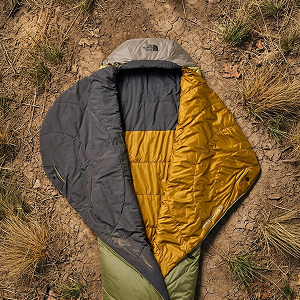
Comfort Rating
The Comfort Rating is usually the most important figure to check. It shows the temperature at which most people are expected to sleep comfortably, so it is the best starting point if you want a bag that feels warm enough for real-world use.
Limit of Comfort Rating
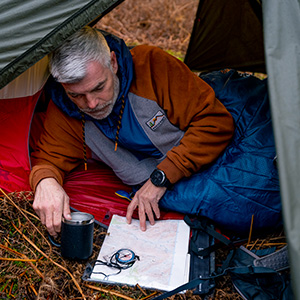
The Limit of Comfort Rating sits below that. It shows the lower point where a sleeping bag may still keep you going, but comfort becomes less certain and cold sleepers may start to feel the difference. This figure is useful, but it should not be the main number you rely on if you want a good night’s sleep.
Extreme Rating
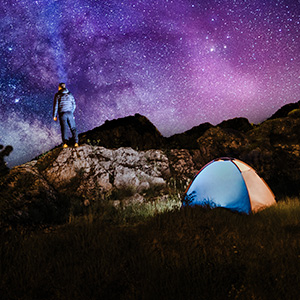
The Extreme Rating is the lowest figure of all, and it is not a comfort target. It is there to show the survival threshold in very severe conditions, not the temperature where you will sleep well. In practice, this number is mainly there for reference and should not be used as the basis for your buying decision.

What Shape Suits How You Sleep?
Sleeping bags come in all shapes and sizes, and for good reason. The less space you have in your sleeping bag, the more effective it will be at retaining heat and keeping you warm. However, there is a fine balance between having enough space for comfort and being warm enough for a good night’s sleep - so ensure you choose the right sleeping bag for you:
Mummy Sleeping Bags are tapered at the legs and the head, following the natural contours of the shoulders and hips. Mummy-shaped bags are designed to sit closer to the body. That close fit reduces the amount of empty air inside the bag, which means your body has less space to heat up. As a result, mummy bags usually feel warmer and more efficient, especially in colder weather. They are a strong choice for backpacking, hill camping, and trips where warmth and pack size matter most.
Pros: They usually pack down small and have an excellent warmth-to-weight ratio making them ideal for backpacking trips where their excellent efficiency gains them popularity.
Cons: May feel restrictive once you’re zipped in.
Rectangular bags work differently. They give you more room to move and can feel more relaxed if you do not like the snug fit of a mummy bag. Some rectangular designs can be fully unzipped and used more like a quilt, which adds flexibility for warmer nights or campsite use where extra space matters more than maximum insulation. Rectangular/Wide Sleeping Bags are squared at the bottom and top of the bag to aid comfort over performance.
Pros: They are usually a lot more versatile and able to be opened as a duvet or zipped with another bag to create a double wide sleeping bag. They also have a little more room. Excellent for caravan trips and house guests.
Cons: They can be bulky to pack down and their warmth to weight ratio is often quite low.
Double-Wide Sleeping Bags are twice as wide providing ample space for two people.
Pros: They can be highly versatile for families and can usually be converted into two separate bags or blankets. Perfect for couples on a family camping holiday.
Cons: They are usually bulky to pack and heavy with a low warmth-to-weight ratio.
Some brands offer sleeping bags designed specifically for women and children, as well as extra-long or extra-short bags to accommodate everyone.

Rough Seasonal Guide
- Summer: higher comfort ratings, lighter bags, less bulk to carry. Fine for warm nights and stable conditions.
- Three season (spring, summer, autumn): the most flexible option for regular UK camping, where temperatures shift and a cold snap can arrive with little warning.
- Winter: more insulation, better draft control, and a rating that gives real confidence once temperatures drop well below freezing.


The Details That Change the Night
Small features often make a bigger difference than people expect once they are actually using a sleeping bag. These are the details that can improve warmth, make the bag easier to live with, and reduce little frustrations that become much bigger after a long day outdoors.
A hood is one of the most important additions in colder weather. Because a large amount of body heat is lost through the head and neck area, a well-shaped hood helps retain warmth where it is needed most. A good hood should feel secure without being tight or awkward, and it should help seal in warmth when the temperature drops.
Draft collars and insulated baffles also play a major role. These are there to stop warm air from escaping around the neck and zip line. If there is a gap in those areas, you can lose warmth even if the bag itself has plenty of insulation. That is why well-placed internal construction can matter just as much as the fill material.
Zips are another feature worth paying attention to. A smooth zip is easier to use in the dark or when your hands are cold, and anti-snag construction helps stop the fabric catching at the worst moment. A two-way zip is especially useful because it allows you to open the bag from different points for ventilation without losing all your warmth.
Other useful details include internal pockets, compression sacks, and zip compatibility for linking two bags together. These may not sound exciting, but they often improve the way the bag works day after day. Internal pockets keep essentials close, compression sacks reduce packed volume, and zip compatibility can be helpful for couples or shared sleeping setups.
The right feature set depends on how you camp. A technical mountain bag needs different details from a simple summer campsite bag, so it is worth focusing on the features you will actually use.
Looking After a Sleeping Bag
A sleeping bag will only perform well if you look after it properly. The fill, outer fabric, and construction all depend on staying in good condition, and that starts with how you store and dry the bag after each trip.
- Dry the bag fully before storing it; never pack it away damp.
- Store it loose, in a large cotton or mesh storage sack, rather than compressed for long periods, since prolonged compression flattens the loft that keeps it warm.
- Wash it only as the care label says, using a cleaner suited to down or synthetic fill specifically.
- Air the bag out after each trip to clear moisture before it goes back in the bag.
- Check zips, seams and fabric for wear before and after a trip.


What Else Do You Need to Buy?
A sleeping bag works as part of a wider setup. Even a good bag can underperform if the ground is cold, the surface is uneven, or your head has nothing to rest on.
Creates a barrier against the ground, cutting heat loss from underneath and adding cushioning. In cold conditions, the mat can matter just as much as the bag itself.
A small addition that supports the neck and helps you settle into a natural position, useful if you tend to move around at night.
Adds a little extra heat retention, keeps the bag cleaner for longer, and is far easier to wash than the whole bag after every trip.
Suits car camping and family trips better than backpacking. It adds height and cushioning beyond a basic mat, at the cost of being bulkier to carry.
The best sleep setup depends on the kind of camping you do. For lightweight trips, a compact mat and small pillow may be enough. For car camping or longer stays, an airbed and pillow can make the whole experience feel much more restful.
Brands That Stand Out
If you are narrowing down your choice, the brand can help point you in the right direction. Some brands lean toward lightweight backpacking, while others focus on colder conditions, easy-care camping, or all-round versatility.
Rab is known for sleeping bags that suit colder, more technical outdoor use. The range often includes collections such as Ascent, Solar, Neutrino, Mythic, and Radeon, with designs aimed at backpacking, trekking, and mountain camping. Rab sleeping bags are often chosen by campers who want strong warmth-to-weight performance, compact pack size, and dependable insulation for demanding trips.
Colourways tend to stay fairly understated, with outdoor-led shades such as green, grey, and blue appearing often across the range. That makes the bags feel practical rather than flashy, which suits Rab’s more performance-focused identity. The best use cases are multi-day trekking, colder-weather camping, and trips where weight, packability, and thermal efficiency matter most.
Vango is known for sleeping bags that balance practicality, comfort, and value. The range often includes collections such as Stratos, Alpha, Kanto, and other camping-led options that suit family camping, travel, and relaxed outdoor use. Vango bags are often a good choice for campers who want straightforward warmth and easy-to-use designs without moving into highly technical territory.
Colour choices tend to stay sensible and campsite-friendly, with earthy and muted shades showing up across the range. That makes them easy to pair with the rest of a camping setup and helps keep the look simple and versatile. Vango sleeping bags are especially well suited to camping holidays, weekend breaks, and users who want dependable performance with an accessible price point.
The North Face is known for sleeping bags that combine outdoor heritage with versatile use across camping, trekking, and mountain trips. The range often includes collections such as Wasatch Pro, Blue Kazoo, Gold Kazoo, and Green Kazoo, which cover a mix of packable, lightweight, and colder-weather options. These bags are often appealing to users who want a recognised outdoor brand with a strong technical reputation.
Colour options are often more varied than purely technical brands, with blue, green, grey, yellow, red, and brown appearing in the range. That gives the sleeping bags a more distinctive look while still keeping them grounded in outdoor use. The best use cases are backpacking, camping, mountaineering, and trips where you want one bag that can handle a broad mix of conditions
Mountain Equipment is known for sleeping bags built with cold-weather performance and mountain use in mind. The range often includes collections such as Helium, Glacier, Earthrise, Starlight, and Classic, which cover everything from lightweight mountain camping to more serious cold-condition use. These bags are often chosen by campers who want dependable warmth, technical construction, and a strong outdoor reputation.
Colour choices usually stay understated and alpine-led, with greys, blues, greens, and other muted outdoor tones appearing often across the range. That supports the brand’s practical, mountain-focused identity. Mountain Equipment sleeping bags are a strong fit for trekking, alpine camping, colder-weather trips, and users who want a more technical bag for demanding conditions.
Ayacucho is known for sleeping bags that focus on practical comfort, straightforward use, and good value for everyday camping. The range is usually aimed at campers who want a simple, dependable bag rather than a highly technical mountain-specific design, which makes it a sensible choice for general camping, weekend breaks, and family trips.
Collections such as Magura, Ordesa, Skye and Ohrid typically suit relaxed outdoor use, with shapes and features that make them easy to live with on campsite stays. Colourways often stay simple and outdoorsy, with muted greens, blues, greys, and other natural tones that fit well with the brand’s practical feel.
Ayacucho sleeping bags are best for people who want a bag that is easy to understand, easy to pack, and well suited to milder camping conditions. They are a good fit for car camping, occasional trips, and users who want comfort and function without moving into more specialist performance gear.
The best brand is usually the one that fits the way you camp most often. Once you know your priorities, it becomes much easier to choose a sleeping bag that feels right for your trips and conditions.

Choosing the right sleeping bag comes down to matching the bag to the way you camp. If you get the fill, shape, temperature rating, and size right, you will end up with a bag that feels warmer, packs better, and suits your trips far more naturally.
It is also worth remembering that a sleeping bag works as part of a wider sleep system, not on its own. Pair it with the right mat, pillow, and any extra layers or liners you need, and you will give yourself a much better night outdoors.
FAQs
Down is usually lighter, warmer for its weight, and easier to pack small. Synthetic fill is often better in damp conditions because it dries faster and keeps working more reliably if moisture gets in.
Mummy-shaped sleeping bags are usually the warmest because they fit closer to the body and leave less empty space to heat up. If you want more room to move, a rectangular shape may feel better, but it usually gives up some warmth efficiency.
If you often feel chilled at night, you may need a bag with a lower comfort rating than the temperature forecast suggests. It is also worth remembering that wind, damp ground, and thin sleeping mats can all make a bag feel colder than the number on the label.
A sleeping bag liner acts like a removable bed sheet that keeps the inside of the main sleeping bag clean from dirt and body oils. Thermal microfleece liners also trap an extra layer of static air to significantly increase the overall temperature rating of the sleep system.
A sleeping mat is one of the most important extras because it stops heat escaping into the ground. A camping pillow, airbed for car camping, and sleeping bag liner can also improve comfort and help the bag perform better.
The Comfort rating on a sleeping bag indicates the lowest outdoor temperature at which a cold sleeper can remain comfortably hot throughout the night. Campers should always use the Comfort rating, rather than the lower Limit rating, when purchasing gear to guarantee a warm night.
Keep it loose and dry when not in use. Avoid storing it compressed for long periods, as that can flatten the insulation and reduce its loft, which affects warmth over time.
Rab and Mountain Equipment are strong choices for colder or more technical use, Sea to Summit suits lightweight backpacking, Vango works well for practical camping, and The North Face offers broad all-round versatility. The best brand is the one that matches your trip style, not just your budget.
Let us know you agree to cookies
We use marketing, analytical and functional cookies as well as similar technologies to give you the best experience. Third parties, including social media platforms, often place tracking cookies on our site to show you personalised adverts outside of our website.
We store your cookie preferences for two years and you can edit your preferences via ‘manage cookies’ or through the cookie policy at the bottom of every page. For more information, please see our cookie policy.