
Bikepacking 101
Your First Self-Supported Cycling Escape
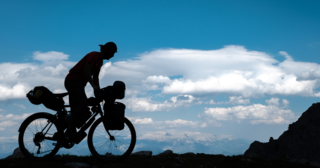
Bikepacking starts with a simple idea. Finish work on Friday, leave the car at home, strap a few bags to your bike, and ride out until the roads thin, the air cools, and the day feels bigger than your usual routine. For some people, bikepacking looks like a gravel ride with a sleeping bag. For other people, bikepacking feels like hiking with wheels. Both ideas are close, but neither tells the full story. In this guide, you will learn how to pack a bike correctly, choose a safe beginner route, and avoid common early mistakes.
What Is Bikepacking?
Bikepacking is the blend of off-road cycling and lightweight wild camping. Instead of loading a bike with metal racks and boxy panniers, bikepackers usually strap soft bags to the frame, handlebars, and saddle. The result is a bike that feels slimmer, quieter, and easier to handle on rough ground.
That difference matters more than many riders expect. A narrow setup threads through gate gaps, bridleway ruts, low branches, and overgrown trail edges with far less fuss. A soft bag setup also keeps the bike feeling less clattery on gravel, chalk, broken tarmac, and forest tracks.
In simple terms, bikepacking sits in the space between cycle touring, wild camping, and adventure riding. A bikepacking trip might last one night or several days. A bikepacking route might use towpaths, old dirt roads, canal paths, forestry roads, double tracks, quiet lanes, and short technical sections. The common thread is self-supported travel and a lighter load.

Bikepacking vs Cycle Touring
Cycle touring and bikepacking share a similar spirit, but the two activities use very different equipment and route choices.
- Cycle touring is usually road-based, uses racks and panniers, and is designed to carry more kit in comfort over long distances.
- Bikepacking uses lighter, softer luggage and is better suited to gravel, dirt tracks, bridleways, and routes that feel further removed from traffic.
That does not mean bikepacking is only for mountain bikers or ultra-fit riders. A beginner-friendly bikepacking trip can be as simple as riding out from home, camping for one night, and returning the next day on bridleways and back roads. The point is not to suffer. The point is to carry what you need and go further than a normal day ride.

Why bikepacking appeals to so many people
Bikepacking solves a very common problem for people who love the outdoors. Many keen hikers and trail runners want to explore further afield, but foot travel strictly limits how much ground a person can cover in a single weekend. A strong hiker might cover fifteen miles during a long summer day. A cyclist pedalling with the same physical effort can easily cover forty miles.
That feeling of escape is a big part of the draw. A bicycle allows an outdoor enthusiast to link together multiple different landscapes in one single day. A rider might start the morning crossing a high moorland plateau, descend through a steep pine forest at midday, and set up camp next to a coastal estuary by evening.

Choosing the Right Bicycle for Off-Road Trips
One of the best things about bikepacking is that there is no single “correct” bike for it. Most beginners can start on the bike they already own, as long as it is in good working order and suits the terrain they plan to ride. Gravel bikes, hardtail mountain bikes, and capable hybrids are all common entry points for beginner-friendly bikepacking trips. The right bike usually depends on where you want to ride and how much comfort, speed, or carrying capacity you need.
- Gravel bikes: A strong all-round choice for riders mixing tarmac, gravel, towpaths, and easier off-road terrain.
- Hardtail mountain bikes: Best for rougher ground, looser tracks, and routes where comfort and control matter more than outright speed.
- Hybrids: A practical option for first-timers riding gentler routes and shorter overnight trips.
- Road bikes: These can work for lighter, road-based trips, but they are usually less versatile once routes become rougher or more remote.
- Touring bikes: Better suited to road-focused travel with heavier loads, whereas bikepacking setups are usually lighter and more off-road in style.
The main question is not “What is the perfect bike?” The better question is “What terrain am I actually riding?”.
Can you go bikepacking on a road bike?
Yes, but the route matters. A road bike can work for light bikepacking on lanes, smooth cycle paths, and well-kept hardpack. A road bike becomes less fun once the route turns muddy, loose, deeply rutted, or steeply off-road.
Tyre clearance is usually the limiting factor. Wider tyres give better grip, more control, and a smoother ride on mixed terrain. If a road bike can only take narrow tyres, the route needs to stay fairly mellow. New riders often overestimate what a lightly loaded road setup can manage once the weather turns bad.
Optimal tyre sizes for mixed terrain
Riders usually do better on wider tyres than they first expected. Wider tyres smooth out chatter, improve grip, and add confidence on loose surfaces. That extra confidence matters when the bike is loaded and the ground is unpredictable.
Most riders look for tyres that can handle broken lanes, bridleways, towpaths, and gravel tracks without feeling draggy on tarmac sections. A tyre with some volume and a tread pattern suited to mixed ground usually gives a safer, calmer ride than a fast slick built mainly for roads.

Luggage Logistics and Packing Strategies
Packing a bike correctly requires understanding basic physics. A loaded bicycle handles terribly if the weight sits too high off the ground. A top-heavy bicycle sways dangerously during fast downhill descents.
Heavy items must sit as low and as centrally as possible. Most riders place water bottles, heavy tools, and dense food inside a frame bag. Keeping the heaviest items in the middle ensures the bike's corners are predictable. Bulky, lightweight items belong strapped to the handlebars. The handlebar roll perfectly accommodates a sleeping bag and an inflatable sleeping mat. A saddle pack extends directly behind the rider to hold spare clothing and lightweight tent fabrics.
Mastering weight distribution and stability
Putting heavy gear in the wrong place ruins how a bicycle steers. A heavy handlebar bag makes the steering feel dangerously slow and unresponsive, and can swing violently from side to side when the rider stands up to pedal.
Aim to place around sixty per cent of the total weight over the rear wheel, keeping forty per cent at the front. This rearward bias helps the back tyre grip steep, loose climbs without spinning out in the mud. Keep the right side and left side equally balanced. A weight difference of just 200 grams between the left and right fork bags will cause the bicycle to drift to one side.
How do you stop a loaded bike from wobbling?
Keep the right side and left side equally balanced. A weight difference of just 200 grams between the left and right fork bags will cause the bicycle to drift to one side. Always test the loaded setup by riding over a rough kerb near your house. If the bags bounce or rattle, tighten the straps firmly before hitting the dirt tracks.

What Do Beginners Need for Bikepacking?
A beginner does not need much, but every item needs to earn its place. The basic list usually looks like this:
- A bike in safe working condition.
- A way to carry gear on the bike.
- A sleep setup, such as a small tent or bivvy bag, a sleeping bag, and a mat.
- Spare layers for camp and poor weather.
- Food, water, and a way to prepare a simple meal or hot drink.
- Navigation tools (maps or GPS)
- Lights, repair kit, and a small first aid kit.
That list sounds familiar to walkers and campers because the logic is much the same. The big difference is volume. Bulk matters more than weight alone. A cheap item that packs a huge amount can be harder to carry than a lighter, smaller option.
How much gear should you take on a first trip?
Less than you think. Many first-time riders pack for every possible problem and end up dragging a small house up a hill. A short first trip does not need spare shoes, three mid-layers, a big wash bag, or a full cook set.
The smartest first trip is a controlled test. Keep the route short. Keep resupply easy. Keep the sleep system simple. Pack enough to stay dry, fed, warm, and safe, but not enough to turn the bike into a burden.
Tent or Bivvy Bag: Choosing Your Shelter for Bikepacking
Choosing your shelter dictates how your riding day ends. A tent provides space to change wet clothes and hide from bad weather. A bivvy bag offers a tiny packed size and a much faster setup.
For most first-time riders, a small one-person tent is the smartest choice. A tent provides vital mental space when UK rain sets in or the wind picks up. You can sit up, sort your damp cycling gear, and eat dinner out of the mud. Bikepacking-specific tents often feature shorter poles, which makes them incredibly easy to strap between narrow drop handlebars. A tent also gives you a dry porch area to store muddy riding shoes overnight.
A bivvy bag works brilliantly for fast, dry summer trips. You simply unroll the waterproof sleeve, slide your sleeping bag inside, and sleep directly under the stars. However, a bivvy bag asks much more of the rider. Finding a dry pitch matters greatly, trapped breath causes annoying overnight condensation, and you have absolutely zero covered space to store wet equipment.
Do you need a specific bikepacking tent?
Not always, but a small packed size matters. A bikepacking-specific tent often has shorter pole sections, which makes packing easier between drop bars or across the rear of the bike. That shorter, packed shape is useful, but it is not a rule.
A beginner can start with any tent that packs small enough and light enough for the route. The bigger point is to avoid a tent that swallows too much space or pushes the total load too high. If a tent dominates the whole setup, the rest of the kit gets harder to manage.
Route Planning Strategies for First-Time Trips
The best beginner route is rarely the most dramatic one. The best beginner route is usually the one that gives enough adventure to feel exciting and enough margin to stay enjoyable if the weather shifts or the legs fade. Start with a simple aim. One night away. Mixed terrain. Manageable climbing. A clear bailout option. Water stops or shops on the route. A known campsite or a legal overnight option. That shape builds confidence fast.
Many new riders make the same early mistake: they plan a route based on distance alone. Distance is only part of the story. Surface, climbing, gates, mud, and navigation all affect how long a day feels. Thirty miles on gravel tracks and steep bridleways can feel much bigger than fifty miles on quiet lanes.
Beginner-friendly UK trails
Look for routes that mix easy trails, quiet roads, and simple navigation. Traffic-free paths, forestry roads, canal paths, and gentle bridleways can all work well. Areas near the Peak District fringes, the South Downs, the New Forest, Kielder, the Yorkshire Wolds, and sections of the National Cycle Network can offer useful starting points.
The best first route often has one memorable feature rather than ten hard ones. One ridge, one woodland section, one good sunset spot, one decent breakfast stop. That is enough to make the trip feel rich without turning the route into a test piece.
Navigation tools for off-road cyclists
Stopping to check a paper map at every junction ruins the rhythm of a bicycle ride. Most riders use dedicated GPS cycling computers attached directly to the handlebars. Smartphone applications like Komoot or Ordnance Survey provide exceptional route planning tools. Smartphones drain batteries very quickly in cold weather. Cyclists must carry a high-capacity power bank to recharge phones and GPS devices overnight.

Trail Etiquette and Leave No Trace Rules
Bikepacking works best when it leaves a light footprint. That means more than packing rubbish out and pitching discreetly. That also means riding in a way that respects other trail users, livestock, local residents, and the land itself. A rider who slows early for walkers and horse riders, closes every gate, and avoids churning up soft trails does more for the future of off-road access than any slogan ever could.
The same thinking applies to campcraft. A quiet, tidy overnight stop feels far more in tune with bikepacking than a sprawling camp with too much gear and too much trace left behind the next morning. Good judgment matters here. Even legal access is not the same thing as good behaviour. Discretion, courtesy, and restraint go a long way.
If you want a sharper framework for low-impact travel can refer to Leave No Trace for Bikepackers: Ride. Camp. Respect. , which gives bike-specific guidance on reducing damage and behaving well outdoors.
Guidelines for Farm Gates and Livestock
Walkers and cyclists share the same narrow bridleways across the UK. A polite rider always slows down to a walking pace when passing hikers or horse riders. Always close every single farm gate behind you. Leaving a gate open allows livestock to escape, which destroys the relationship between local farmers and off-road cyclists. When riding through fields of sheep or cows, maintain a steady speed and give the animals plenty of space.

Common Mistakes That Shape the First Trip
Most beginners make the same few errors. The first mistake is packing too much. The second mistake is planning too much. The third mistake is testing too little before leaving home. Those three problems tend to travel together. A rider packs for every possible problem, plans an over-ambitious route, then discovers on the first climb that the bags sway, the food is buried, and the waterproof is impossible to reach.
The fix is wonderfully unglamorous. Load the bike the night before. Ride it locally. Climb a hill. Brake hard. Lift it over a gate. Check if any strap can reach a tyre or rotor. Check if food, layers, and lights are accessible without unpacking half the setup. That quiet hour near home often saves a lot of frustration later.
The reassuring truth is that a first bikepacking trip does not need to look polished. A first bikepacking trip only needs to be honest enough to teach you something. A slightly awkward first overnighter is still a strong success if it leaves you with clearer instincts for the next one.
Check these points before leaving:
- Do any straps flap into the wheels?
- Does the saddlebag sway?
- Can you reach food and waterproofs quickly?
- Can you carry enough water for the route?
- Can you fix a puncture or minor mechanical issue?
- Can you put up the shelter quickly if the weather breaks?
- Is wild camping allowed on a bikepacking trip?
Rules vary by location, so riders need to check the local access and camping guidance before setting out. In all cases, low-impact behaviour matters. Quiet arrival, early departure, no trace left behind, and respect for land, livestock, wildlife, and other people should shape every overnight stop.

Ready to Pack Your Bags and Hit the Dirt Tracks?
Bikepacking is self-supported cycle travel with a lighter setup, a sense of freedom, and a stronger pull toward quiet tracks and nights outside. Bikepacking works so well because it turns a short window of free time into something that feels much bigger than a normal ride. A good first trip keeps the route simple, the kit light, and the expectations realistic. The goal is not to prove anything. The goal is to come home already planning the next one. Explore bags, tents, layers, and route-ready gear at Cotswold Outdoor and start building your first overnight ride.
FAQs
Aim for 5.3 to 7.9kg of total carry weight, excluding the bike, for a three-night UK trip with daily resupply stops. For more remote routes, add 1 to 1.5kg as a buffer.
Panniers hang off a rear rack, shifting weight high and wide. Bikepacking bags distribute weight low and close to the frame's centre line, keeping the bike balanced and predictable on off-road terrain.
For a first overnighter, pack the basics: shelter, sleep kit, spare layer, waterproof, food, water, lights, navigation, and a simple repair kit. A shorter gear list usually makes the bike easier to handle and the trip more enjoyable.
A first trip should feel manageable, not heroic. A shorter route with simple navigation and a clear bailout option is usually a better choice than chasing big mileage on rough ground.
Inflatable mats are best because they compress tightly and offer an excellent weight ratio. Aim for an R-value of 2.0 for summer or 3.0 to 4.0 for shoulder seasons. Foam mats are cheap but far too bulky for saddle packs.
We use marketing, analytical and functional cookies as well as similar technologies to give you the best experience. Third parties, including social media platforms, often place tracking cookies on our site to show you personalised adverts outside of our website.
We store your cookie preferences for two years and you can edit your preferences via ‘manage cookies’ or through the cookie policy at the bottom of every page. For more information, please see our cookie policy.