


Camping Equipment, Tents and Sleeping Bags


Read: Family Camping Kit List /Top National Trust Coastal Campsites
A good night's sleep is essential for any adventure, and that starts with the right tent. We have an extensive range, from small one-person tents perfect for solo travellers, right up to large six-person tents for families or groups who appreciate a bit more space. To go with your home away from home, we've got a huge selection of sleeping bags, comfortable sleeping mats, and even camping pillows to make sure you wake up rested and ready for the day.
And it's not just about where you sleep. A simple, well‑planned camp kitchen and lighting setup turns a pitch into a practical base from first brew to last cup of tea. A small stove, pan set and a few hard‑working utensils handle quick trail meals and post‑ride refuelling, while larger stoves and cool boxes suit longer, more sociable family stays. Headtorches, lanterns and subtle string lights help you keep an eye on kids after dark, avoid tripping over guy lines and cook safely once the sun drops. Whatever you need for your trip, you’re sure to find it here.
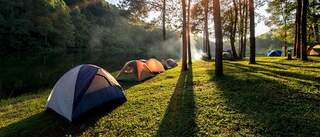
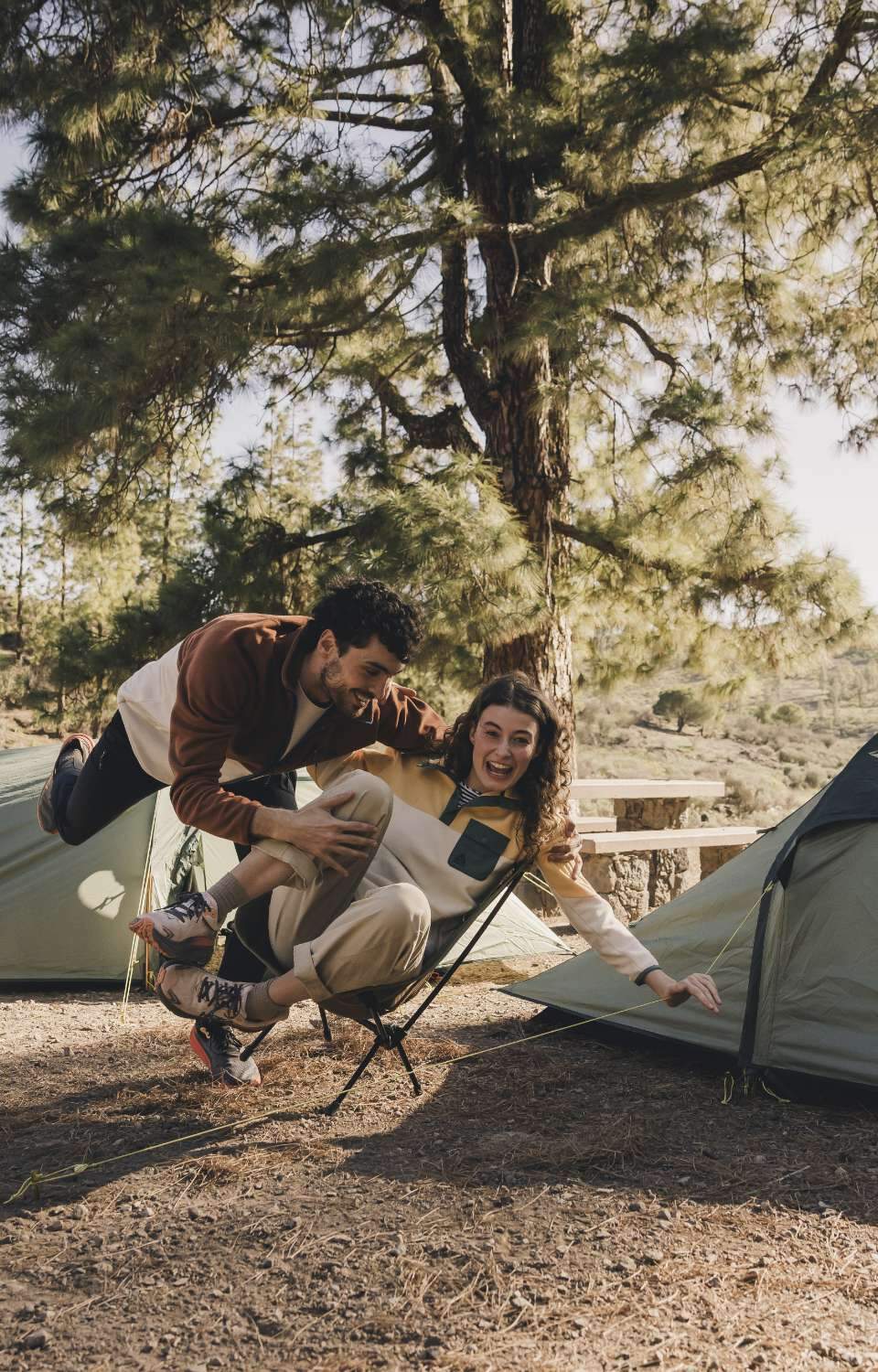
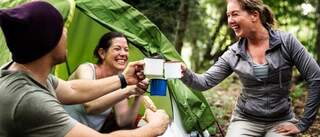
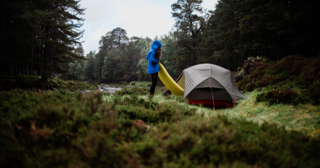
For most trips you will want a tent, sleeping bag, sleeping mat, stove, pan set, headtorch, and basic camp furniture such as chairs and a table. Many campers also pack a cooler, spare gas, extra pegs and guylines, plus power banks to keep phones and lights charged on longer stays.
For a tent, think about how many people are sharing, how far you need to carry it and how exposed your campsite is to wind and rain. Look at season ratings and temperature ranges for sleeping bags and pick a mat that balances pack size, thickness and insulation so you sleep better on cold or bumpy ground.
Think about how many people will be sleeping in it and how much gear you'll have. A "two-person" tent will fit two people, but it might be a bit of a squeeze with all your bags. If you like a bit of extra space, it's often a good idea to go one person bigger than you need.
It's a guide to how warm the sleeping bag is. A "1-2 season" bag is great for summer camping. A "3 season" bag is a good all-rounder for spring, summer, and autumn in the UK. A "4 season" bag is what you'll need for proper winter camping in the cold.
A simple gas stove, a lightweight pan set and basic utensils are enough for tea, coffee and one-pot meals, while multi-burner stoves suit family trips and group cooking. Headtorches, lanterns and string lights help with late-night tent pitching, cooking in the dark and finding your way to the facilities.
In spring and autumn, focus on a good waterproof tent, a warmer sleeping bag and a thicker mat or extra blanket to handle cooler nights and damp ground. In summer, ventilation and shade matter more, so look at tents with good airflow, plus lighter bags and mats that still take the edge off hard pitches.
A good sleeping bag is key, but don't forget about your sleeping mat! A lot of your body heat is lost to the cold ground, so an insulated mat will make a huge difference. Wearing a hat to bed is another great tip.
Backpacking tents are designed to be as lightweight and compact as possible, so they're easy to carry in a rucksack. Family tents are much bigger and heavier, focusing more on space and comfort for when you're camping from your car.
Pop-up tents are quick and easy to pitch, making them ideal for festivals or short trips. However, they may lack durability and stability in windy or rainy conditions compared to traditional pole or inflatable tents.
Sleeping mats are lightweight and compact, offering insulation and cushioning suitable for backpacking. Air beds provide more comfort but are bulkier and may require a pump to inflate. Choose based on portability and comfort needs.
Consider the R-value (insulation rating): 1-3 is suitable for summer camping, 3-5 for spring/autumn, and 5+ for winter use. Self-inflating mats balance comfort and insulation, while closed-cell foam mats are lightweight but less cushioned.
A sewn-in groundsheet is attached to the tent walls, creating a sealed interior that keeps out draughts, bugs, and moisture. It’s ideal for comfort but may reduce ventilation compared to removable groundsheets.
A small, portable gas stove is the way to go. They're quick, easy to use, and give you much more control than cooking over an open fire. Don't forget to pack a pot, a mug, and something to eat with!
Leave no trace. The aim is to leave your campsite exactly as you found it. That means taking all of your rubbish home with you and being respectful of nature and other campers.
We use marketing, analytical and functional cookies as well as similar technologies to give you the best experience. Third parties, including social media platforms, often place tracking cookies on our site to show you personalised adverts outside of our website.
We store your cookie preferences for two years and you can edit your preferences via ‘manage cookies’ or through the cookie policy at the bottom of every page. For more information, please see our cookie policy.