

READ: Your Guide To The Layering System | Fleece Buying Guide
Technical fabrics like Polartec® wick sweat efficiently, keeping you dry when you're pushing hard on steep ascents. Stretch panels at the sides give you freedom of movement during scrambles or when reaching for holds, and high collars seal out drafts that creep down your neck. You'll appreciate how quickly fleece dries, far faster than cotton or down that stays wet for hours.
Weight matters when you're carrying everything on your back. Microfleece options compress small in your pack, ready to deploy when you stop moving and need an extra layer fast. Heavier fleeces deliver serious warmth for winter camps or belaying sessions where you're standing still in freezing conditions. Zipped hand pockets secure essentials, and reinforced shoulders withstand pack straps without wearing through. Leading brands like The North Face and Patagonia offer fleeces that last seasons of hard use, maintaining loft and performance after countless washes.
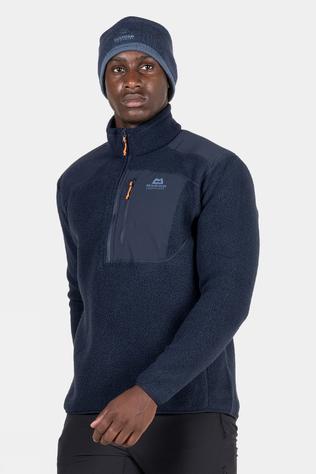
What fleece style should I choose? Full zip fleeces give you complete ventilation control; open them wide on steep ascents or seal them tight when the wind picks up. Half zip pullovers sit smoothly under climbing harnesses and pack hip belts without bunching, making them ideal for technical terrain. Quarter zip styles deliver the same clean fit with just enough venting for temperature regulation. Hoodies add instant head protection when the weather changes, while crew neck sweaters layer seamlessly under waterproof jackets. Merino wool jumpers bring natural insulation that resists odours across multi-day trips, and technical sweatshirts bridge the gap between casual comfort and performance needs.
Shop our mens fleeces to find the right insulation layer for your next outdoor adventure.
Fleece weight is measured in grams per square meter (g/m²) and indicates the fabric's level of insulation.
A technical fleece is designed for optimal performance during outdoor activities and often features moisture-wicking properties, stretch fabrics for improved movement, and strategic panelling. They are highly breathable, regulating body temperature during exertion. Standard fleeces prioritise comfort and warmth for casual, everyday use.
Lightweight fleeces (100-200 weight) suit three-season hiking and high-output activities. Midweight fleeces (200-300 weight) handle cold autumn and winter hiking when you're moving steadily. Heavyweight fleeces (300+ weight) provide maximum warmth for winter camping, belaying, or low-output activities in freezing conditions.
We use marketing, analytical and functional cookies as well as similar technologies to give you the best experience. Third parties, including social media platforms, often place tracking cookies on our site to show you personalised adverts outside of our website.
We store your cookie preferences for two years and you can edit your preferences via ‘manage cookies’ or through the cookie policy at the bottom of every page. For more information, please see our cookie policy.