
Finding the right rucksack shouldn't take longer than the trip you're packing it for. Yet with hundreds of styles, sizes, and features to choose from, most people end up staring blankly at a shop shelf or scrolling through endless options online, none the wiser.
Knowing how to choose a backpack comes down to a handful of things that actually matter: how it fits, how it carries, and how it holds what you pack. Go through those one at a time, and you'll walk into your next trip with something that actually feels right on your back.

How to Choose a Backpack Size
Start by thinking about how you will use it. A day hike, weekend walk, commute, or long trip all call for different sizes and features.
Ask yourself: What will I carry? How long will I be out? Do I need quick access, extra storage, or simple packing? Will I use it for hiking, travel, or daily use?
What size do you need?
Pack size is often easiest to choose by trip length rather than litre count alone. A small pack may be perfect for one walk, but too limited for another if you need extra layers or food.
A simple guide is:
- 10 to 25 litres for short outings and active use.
- 20 to 40 litres for day hikes.
- 50 to 60 litres for overnight trips.
- 60 litres and above for longer backpacking trips.
Why fit matters? A good rucksack should feel like part of your body rather than something hanging off your shoulders. If the pack is the wrong length or the straps sit badly, it can start to feel awkward very quickly.
The hip belt should sit on the hips so it can help carry the load. The shoulder straps should hold the pack close without digging in, and the back length should match your torso so the pack sits in the right place.


Types of Rucksacks
Daypacks are a great choice for short outings, everyday use, and travel days. They usually sit in the 10 to 35-litre range, which gives you enough room for snacks, water, a spare layer, and a few personal items.
They are often simple, light, and easy to carry. Many people choose one for walking, commuting, or keeping essentials close at hand on day trips.
If you want a pack that stays close to your body, fast-hike and run packs are a smart option. They are usually small, light, built to reduce bounce, and in the 10 to 25 litre range.
These packs often work well for moving quickly over mixed ground, especially when you only need water, snacks, and a compact layer. Some also include soft flasks, front pockets, or easy-access storage so you can keep moving without stopping often.
Hiking rucksacks are made for longer walks, hill days, and short overnight trips. They usually offer more support than a daypack, which helps when the load starts to build.
A pack in the 20 to 40 litre range is often a sweet spot for many walkers. It gives you enough room for waterproofs, food, layers, and safety gear without feeling bulky.
Backpacking travel backpacks are the right choice for multi-day trips, wild camping, and longer adventures. These packs often range from 50 litres upwards, giving you space for sleeping kit, clothing, cooking gear, and food.
Because the load is heavier, fit matters even more here. A good hip belt, stable harness, and the right torso length can make a big difference to how the pack feels after several hours of walking.
Travel backpacks are popular for trips where you want one bag that is easy to pack and carry. Many open suitcase-style, which makes it simpler to organise clothes and find what you need quickly.
They are a strong choice for holidays, rail travel, and backpacking routes where you move between places often. Extra pockets, secure zips, and a stowable harness can make them even more useful.
How to choose by activity
The right rucksack depends heavily on how you plan to use it. A pack that works well for a commuter train ride may feel completely wrong on a steep mountain path, while a hiking pack may be far more than you need for everyday use.
For commuting, look for a pack with a clean layout, a laptop sleeve, and pockets that make daily items easy to reach. For travel, a suitcase-style opening, secure zips, and organised storage often make life easier. For hiking, comfort, stability, and easy access to water or snacks matter most. For mountaineering, a close fit, secure carry, and attachments for technical kit become much more important.

Features That Matter
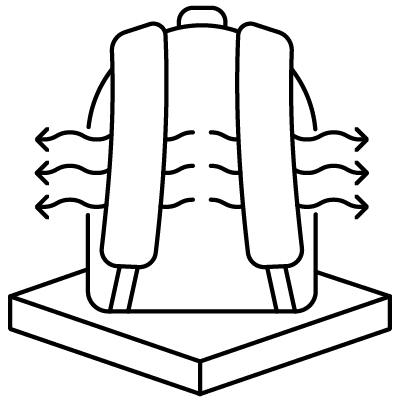
Ventilated back panel
A ventilated back panel helps reduce heat build-up by letting air move between your back and the pack. That can make a big difference on warmer days or when you are carrying the pack for hours.
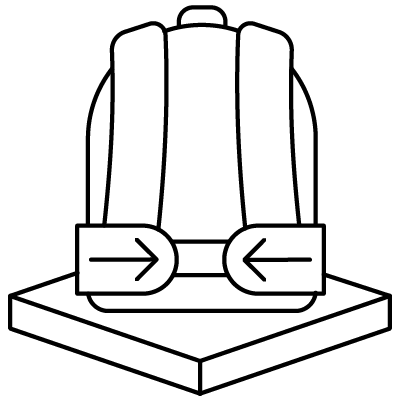
Forward-facing hip belt
A forward-facing hip belt helps anchor the pack and spread the load more evenly. It is a useful detail when you want better stability and less pressure on your shoulders.
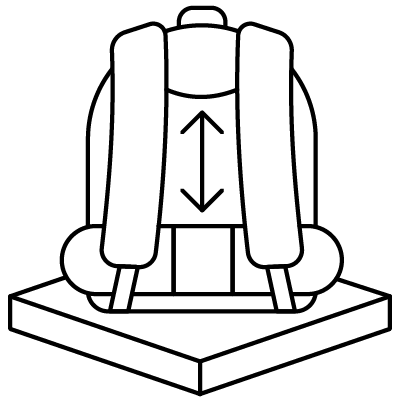
Adjustable back length
An adjustable back system helps the pack match your torso more closely. That improves comfort, balances the load, and makes the rucksack feel much more natural when it is fitted properly.
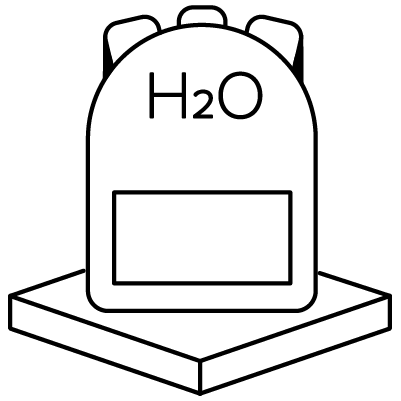
H2O compatibility
An H2O-compatible pack makes hydration easier to manage on the move. It gives you space for a water bladder or bottle setup, so you can drink without stopping as often.


What are Rucksacks Made of?
Most rucksacks are made from synthetic fabrics because they are light, strong, and easier to care for than natural fibres. Nylon and polyester are the most common choices, and both are widely used across hiking, travel, and everyday packs. The exact fabric choice matters because it affects weight, feel, and how well the bag handles wear. Some packs use tighter weaves for better abrasion resistance, while others use coated fabrics to improve water resistance without adding too much bulk.
Manufacturers also mix materials in smart ways. A pack may use a tougher fabric on the base and lower panels, then a lighter fabric elsewhere to save weight and keep the bag easier to carry.
Synthetic Fabrics & Waterproof Technologies
Cordura Nylon (1000D) is a strong choice for packs that need to handle heavy use. It offers 12,000+ abrasion cycles and around 90% UV resistance, so it can stand up well to rough surfaces and regular sun exposure.
Ripstop Polyester is another smart option, especially when lower weight matters. It can be around 40% lighter than nylon, and when PU-coated, it can reach a 5,000mm waterproof rating, which gives useful protection in wet conditions.
Dyneema® Composite is found in ultralight packs where saving grams matters most. It is extremely strong for its weight, with a strength-to-weight ratio that makes it a standout material for minimalist and fast-moving setups.
Different packs use different waterproofing methods, depending on how much protection they need. For light rain, a DWR coating is often enough, while tougher construction is needed for heavier weather or water exposure. Not all rucksacks handle water in the same way, so it helps to know what each waterproofing method actually does. A DWR coating is useful for light rain and everyday use, making it a good fit for daypacks and shorter outings where you only need basic weather protection.
For harsher conditions, welded seams offer a much higher level of defence because they help stop water from getting through the stitching. This makes them a stronger choice for expedition packs or any trip where heavy rain is more likely.
For the highest level of water protection, some packs use specialist systems such as ROKMAN WATERLOK™, which are built for submersion and river crossings. These are the kinds of details that matter when you are carrying kit that really needs to stay dry.
It is also worth checking the smaller details, not just the headline waterproof rating. Aquaguard zippers with 8,000+ cycles and TPU laminates can improve protection further, especially when you expect prolonged rain or wet conditions

Weight Distribution Principles
How a rucksack carries weight matters just as much as how much it can hold. A well-packed bag feels more stable, sits better on your back, and takes less effort to carry over time. It also helps you move more naturally on uneven ground, which can make a long day feel far less tiring.
The heaviest items should sit close to your back and around the middle of the pack. That keeps the load centred and stops the bag from pulling you backward as you walk. If dense kit sits too far away from your body, the pack can feel harder to manage even when it is not especially full.
Lighter items work best lower down or toward the outside of the pack. This helps fill the bag without shifting the centre of gravity too far away from you. Spare layers, soft clothing, and smaller accessories are usually better here than heavier or more rigid items.
A hip belt can make a big difference here. When it sits properly on the hips, it takes pressure off the shoulders and helps the pack feel more secure. That support becomes even more valuable as the load increases or the journey gets longer.
A hip belt can make a big difference here. When it sits properly on the hips, it takes pressure off the shoulders and helps the pack feel more secure. That support becomes even more valuable as the load increases or the journey gets longer.
It also makes sense to think about access as well as balance. Things you may need quickly, such as snacks, a map, gloves, or a waterproof layer, should stay in easy-to-reach places so you are not constantly digging through the main compartment.
- Bottom 25%: Sleeping bag, soft items (density <0.3g/cm³)
- Middle 50%: Heavy gear (stoves, food) close to back
- Top 25%: Frequently needed items (rain jacket, GPS)

How to Tell the Packs Apart
Now that we have covered the main pack types, let’s look at how to tell them apart and which features matter most for each one. Some packs are built for shorter, lighter trips, while others are better suited to carrying more gear, covering tougher ground, or making travel simpler and more organised. Understanding those differences makes it much easier to choose the right pack for the way you move.
A daypack and a hiking pack can look similar at first, but they are built for slightly different needs. A daypack is usually lighter, simpler, and better for shorter outings where you only need the basics. A hiking pack usually has a more supportive harness and better load control, which makes it a better choice when the day gets longer or the kit gets heavier.
If you are carrying just water, snacks, a shell layer, and a few small items, a daypack is often enough. If you expect to carry extra clothing, food, safety gear, or a heavier water load, a hiking pack will usually feel better on your back.
The main difference is not just size, but how the pack handles movement. A hiking pack is made to stay stable when you are walking for hours, while a daypack is often about simplicity and lightness.
Travel packs and backpacking packs both carry plenty of gear, but they are not built with the same priorities. A travel pack is usually easier to open, easier to organise, and better suited to moving through airports, stations, and hotels. A backpacking pack is usually more focused on support, carrying comfort, and keeping heavier outdoor kit balanced over longer distances.
Travel packs often use wide openings, internal organisers, and stashable straps, which makes them useful for clothes, documents, and daily travel items. Backpacking packs usually have more structure, better hip support, and a shape that suits camping gear or multi-day walking loads.
If you are mainly moving between places, the travel pack is often the better fit. If you are mainly walking with a full load on your back, the backpacking pack usually makes more sense.
Mountaineering packs and backpacking packs serve different needs, even though both are built to carry gear over distance. Mountaineering packs are usually better for technical terrain, where a close fit, secure carry, and fast access to specialist kit matter most. Backpacking packs are usually better for longer trips with more equipment, where carrying comfort and storage space matter more.
The best choice depends on how you move and what you need to carry. If your trip includes climbing, scrambling, or harsher ground, a mountaineering pack is often the better fit. If you are carrying clothing, food, and camp kit over several days, a backpacking pack is usually the smarter option.
Some packs now include built-in systems that improve protection and organisation without needing extra accessories. ROKMAN METAMORPH™ uses modular dry bags with an IP67 rating and submersible zippers, while Exped DrySacks use 10D silnylon liners to create fully waterproof compartments.
These integrated options are useful when keeping kit dry is a priority. They also make it easier to separate items inside the pack, so essential gear stays protected and easier to find.
If you already have a pack, there are still a few ways to improve its performance. Seam sealing with silicone tape, such as 3M 9482PC, can increase waterproofness by 40%, which can be helpful for older packs or bags used in wet conditions.
DWR renewal is another simple upgrade. Products such as Nikwax TX.Direct can restore around 90% water repellency, helping the outer fabric shed water more effectively again.
How to check the fit
The best way to judge a rucksack is to try it on with some weight inside. An empty pack can feel fine, but once loaded it may sit very differently.
When trying it on, check that:
- The hip belt sits firmly on the hips.
- The shoulder straps lie flat.
- The pack does not swing as you walk.
- The top of the frame sits near shoulder height.
- You can move your head and arms freely.


Women’s Fit vs Unisex Fit
Some rucksacks are made with a women’s specific fit, while others use a unisex shape. A women’s fit usually has a shorter back length, narrower shoulder straps, and a hip belt shaped to sit more naturally on a smaller frame. That can make a big difference to comfort if the standard fit does not sit quite right.
That said, fit is always personal. Some women may prefer a unisex pack, and some men may find a women’s fit works better for their body shape. The best approach is to try both if you can and see which one feels more stable and natural when loaded.
If you are buying online, it helps to check back length, strap shape, and the adjustable range before making a decision. A better body match is often more important than any single feature.
- Men’s Packs: Longer torso designs, straighter harnesses.
- Women’s Packs: Shorter torso lengths, S-curve shoulder straps, narrower hip belts.
- Best for Women: Osprey Sirrus 24 (day hikes), Deuter Aircontact Ultra 50+5 (trekking).

Top Backpack Brands at Cotswold Outdoor
If you are looking for the best backpack options at Cotswold Outdoor, these are the brands and collections worth knowing. Each one offers something different, from hiking and backpacking to travel and everyday carry, so the right choice depends on how and where you plan to use it!
Osprey is known for packs that balance smart design with all-day carrying comfort. Their bags often feature adjustable back systems, supportive hip belts, ventilated panels, and practical storage layouts that make them a strong choice for hiking, travel, and multi-day use. The range covers everything from lightweight daypacks to larger backpacking packs and travel bags.
Popular collections include Daylite, Talon, Tempest, Kestrel, Aether, and Farpoint, with colour options usually ranging from practical neutrals to brighter outdoor shades.
Rab is known for mountain-ready packs that stay close to the body and feel purpose-built for active outdoor use. Collections such as Adrift, Aeon, Nitron, Tygen, Muon, and Exion are geared toward hiking, trekking, and technical days in the hills. These packs are often chosen for their lighter feel, streamlined layout, and fit that suits moving quickly over rough ground.
Fjällräven is known for simple design, durable materials, and a more lifestyle-led outdoor look. Their packs usually feature clean shapes, easy access, and a straightforward layout that works well for commuting, travel, and lighter outdoor use. Popular collections include Kånken, Räven, Skule, Ulvo, High Coast, and Singi, often in earthy tones, deep greens, blues, reds, and neutrals.
Ayacucho offers backpacks that suit accessible outdoor use, travel, and general walking trips. Backpack collections such as Kota, Matka, Fraiture, and Clifton usually focus on simple storage, straightforward carry comfort, and practical details. The range is a good fit for people who want useful features without a technical feel.
Salomon is known for lightweight, active packs made for fast movement and trail use. The Trailblazer collection is one of the most recognised, and it suits hiking, walking, and active day use where comfort and easy access matter. The brand is often linked with close-fitting carry, a light feel, and bags that support movement rather than heavy loads.
Gregory is a strong choice for people who want backpacks with a comfort-first fit. Backpack collections such as Zulu, Maven, Deva, Nano, and Paragon focus on support, load distribution, and thoughtful carry systems. The brand is especially popular for hiking and backpacking use.
Cotopaxi is known for bold colour, casual style, and backpacks that feel fun but still practical. Collections such as Allpa, Luzon, Batac, and Tasra are often chosen for travel, everyday carry, and light outdoor use. These packs are especially distinctive for their mixed colourways and playful look.
Arc'teryx is known for clean, technical backpack collections that favour minimal design and precise construction. Collections such as Mantis, Aerios, Alpha, Aerios FL, and Bora are often chosen for mountain days, hiking, and fast-paced use. These packs usually appeal to people who want a neat shape and a refined fit.
Patagonia backpacks are known for simple layouts, sturdy materials, and easy everyday use. Backpack collections such as Refugio, Atom, Terravia, and Guidewater work well for travel, commuting, and light outdoor trips. The range usually focuses on straightforward function and dependable carry.
The North Face is recognised for versatile packs that work well for trail, travel, and everyday use. Their bags often focus on practical compartments, durable fabrics, and easy organisation, making them a popular all-round choice. Well-known collections include Borealis, Jester, Recon, Router, and Surge, with colours ranging from classic black and grey to seasonal brights.

FAQs
That depends on how long you will be out and what you need to carry. Smaller packs are fine for short walks and commuting, while larger packs are better for longer trips, extra clothing, and camping gear.
Yes, but prioritise packs with front-loading access (e.g., Osprey Farpoint) over top-loading designs.
- Spot-clean with mild soap.
- Air-dry upside down.
- Never machine-wash (damages waterproof coatings)
Aim for 1.8-2.3kg empty. Expedition models may reach 3kg with reinforced frames.
Most rucksacks are water-resistant rather than fully waterproof. If you need stronger protection, look for features such as sealed seams, waterproof linings, aquaguard zips, or extra dry bags inside the pack.
The pack should sit close to your back, the hip belt should rest on your hips, and the shoulder straps should not dig in. If the load feels steady and does not swing as you walk, the fit is likely close.
Let us know you agree to cookies
We use marketing, analytical and functional cookies as well as similar technologies to give you the best experience. Third parties, including social media platforms, often place tracking cookies on our site to show you personalised adverts outside of our website.
We store your cookie preferences for two years and you can edit your preferences via ‘manage cookies’ or through the cookie policy at the bottom of every page. For more information, please see our cookie policy.