
£
£

Mens Insulated Jackets and Coats

Find what you are looking for:
Sort By:
Free Next Day Delivery on orders over £125

Read: How to choose an insulated jacket / Your guide to the layering system

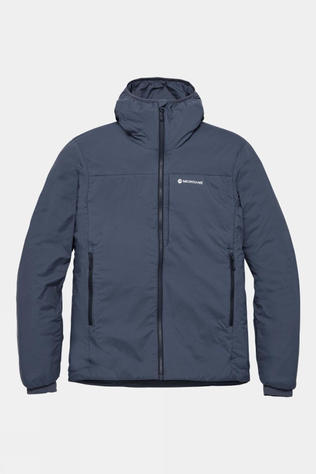
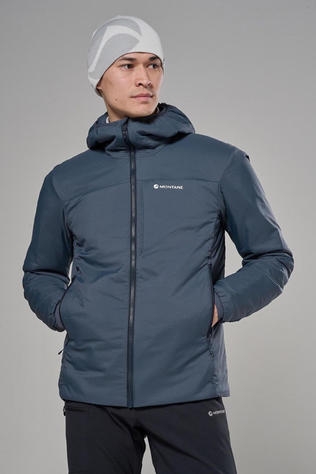
Insulated jackets provide static warmth at camp or during low-output rest periods without the bulk of parkas. Mens insulated jackets balance heat retention with packability, compressing to fist size for backcountry missions while delivering genuine cold protection when activity stops.

Synthetic insulation offers consistent warmth when damp and dries rapidly compared to down. Polyester-based fibres trap air through microscopic structures, mimicking down's thermal mechanism without down's moisture vulnerability. Heatseeker and Primaloft represent leading technologies, offering 700+ fill power equivalents through innovative engineering.

Down insulation delivers exceptional warmth-to-weight performance; 800+ fill power means superior compression and lighter pack weight. The trade-off: down loses insulating properties when soaked. Hybrid jackets place down in the chest and back where you generate heat while using synthetic on shoulders and sides where persistent moisture from pack straps lingers.

Jacket construction prevents insulation migration. Box-quilting and baffle-box patterns lock insulation in place during movement. Offset quilting on sleeves reduces cold spots from seams. Articulated patterning at elbows and shoulders accommodates natural arm positions during climbing or technical scrambling.

How much insulation do you actually need? A 100g synthetic mens insulated jacket handles transitional seasons. 200-300g synthetic suits winter climbing in dry cold. 150g down functions like 200-250g synthetic in equivalent conditions. Your activity level dictates requirements: active mountaineers generating constant heat need less insulation than belayers standing still on ice.

Fit matters operationally. Insulated jackets worn over layers shouldn't restrict shoulder movement or compress base layers. Pit vents dump excess heat during exertion. Shaped hems stay tucked into pack waists, preventing cold air from entering your core zone.

Choose insulation type matching your climate and activity style—proper static-layer selection makes the difference between discomfort and genuinely restful camp breaks.

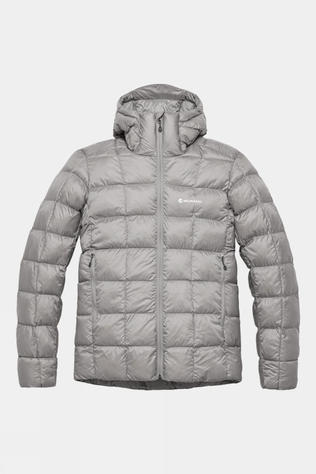
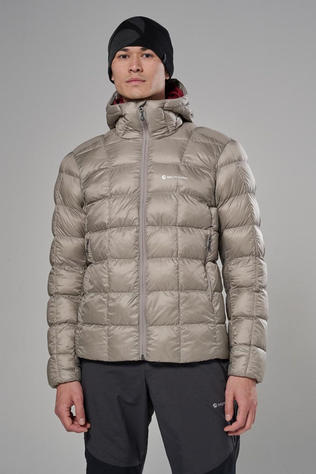
Down jackets are among the warmest options available due to their excellent insulation properties. The warmth depends on factors like fill power, down weight, and the down-to-feather ratio. Higher fill power (e.g., 800+) offers greater warmth with less weight.

Consider the following highly-rated models:

Mountain Equipment Lightline Eco Jacket: This jacket offers exceptional warmth with 296g of 700-fill power down, making it ideal for mountaineering and everyday use. It features a water-resistant Drilite Loft fabric, adjustable hood, and windproof properties.

Rab Microlight Alpine Jacket: A versatile option for hiking and climbing, this jacket uses 700-fill recycled down and features a lightweight, packable design with Pertex Quantum fabric for durability and weather resistance.

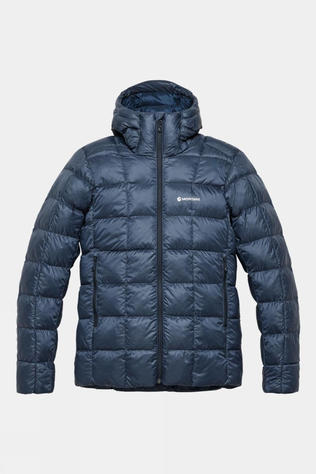
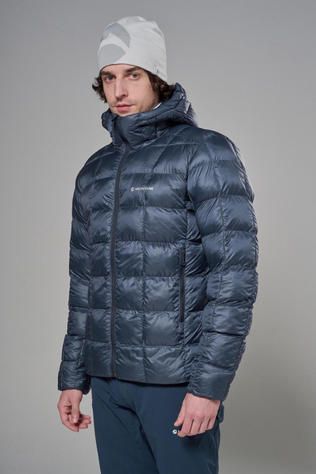
Montane Anti-Freeze XT Hooded Down Jacket: Known for its value, this jacket combines 750-fill hydrophobic down with recycled Pertex Quantum Eco fabric, offering warmth and packability for varied outdoor conditions.

These jackets balance warmth, sustainability, and performance for UK weather.

Leading brands include Patagonia (versatility), Arc'teryx (performance), and Rab (cold weather). The best choice depends on your priorities like warmth, durability, or affordability.

Yes, a snug fit is ideal to trap heat effectively while allowing room for layering underneath. Avoid overly tight fits as they can compress the down and reduce insulation.

Layering is key. Wear a moisture-wicking base layer and, if needed, a mid-layer like fleece or wool for added warmth. Adjust layers based on activity level and weather conditions.


Let us know you agree to cookies

We use marketing, analytical and functional cookies as well as similar technologies to give you the best experience. Third parties, including social media platforms, often place tracking cookies on our site to show you personalised adverts outside of our website.


We store your cookie preferences for two years and you can edit your preferences via ‘manage cookies’ or through the cookie policy at the bottom of every page. For more information, please see our cookie policy.

Let us know you agree to cookies

We use marketing, analytical and functional cookies as well as similar technologies to give you the best experience. Third parties, including social media platforms, often place tracking cookies on our site to show you personalised adverts outside of our website.


We store your cookie preferences for two years and you can edit your preferences via ‘manage cookies’ or through the cookie policy at the bottom of every page. For more information, please see our cookie policy.